Most people never think about the radiographer shortage until an MRI appointment is six weeks out, or until a local hospital starts running recruitment ads in another country entirely. That shortage is real, it is measurable, and health systems in the US, UK, Australia, and Canada are all responding the same way: recruiting more radiographers, sonographers, and radiologic technologists from overseas.
This guide breaks down what the current data actually shows about the radiographer shortage, which countries are genuinely recruiting internationally right now, what it means if you are considering a move abroad, and what it means even if you are staying exactly where you are.
Assuming every country’s shortage looks the same, or that “overseas recruitment” means the same process everywhere, is the mistake that trips up most job seekers researching this topic.
The Short Answer
The radiographer shortage is real and worsening in several major healthcare systems. US CT technologist vacancy rates hit an all-time high of 19.4 percent in 2025, the UK’s clinical radiology workforce shows an estimated 29 percent shortfall, and Australia and Canada report smaller but persistent gaps. In response, NHS trusts in England are actively recruiting radiographers from countries including the Philippines, India, and Nigeria, and Canada has added the role to its skilled-migration priority list.
The practical opportunity is real, but so are the friction points. Registration requirements, visa sponsorship rules, and licensing timelines vary enormously by country, and the volume of actual international hiring ranges from a genuinely large pipeline in the UK to a fairly small one in Australia.
Even for radiographers with no interest in relocating, this shortage still matters: tighter staffing usually means more negotiating leverage, more overtime availability, and stronger sign-on incentives at home.
Why the Radiographer Shortage Exists in the First Place
The core driver behind the radiographer shortage is straightforward: imaging demand is growing faster than the workforce that performs it. The Royal College of Radiologists’ 2024 Workforce Census found that UK imaging demand grew roughly 8 percent in a single year, while the workforce grew only about 4.7 percent over the same period, a gap that compounds every year it continues.
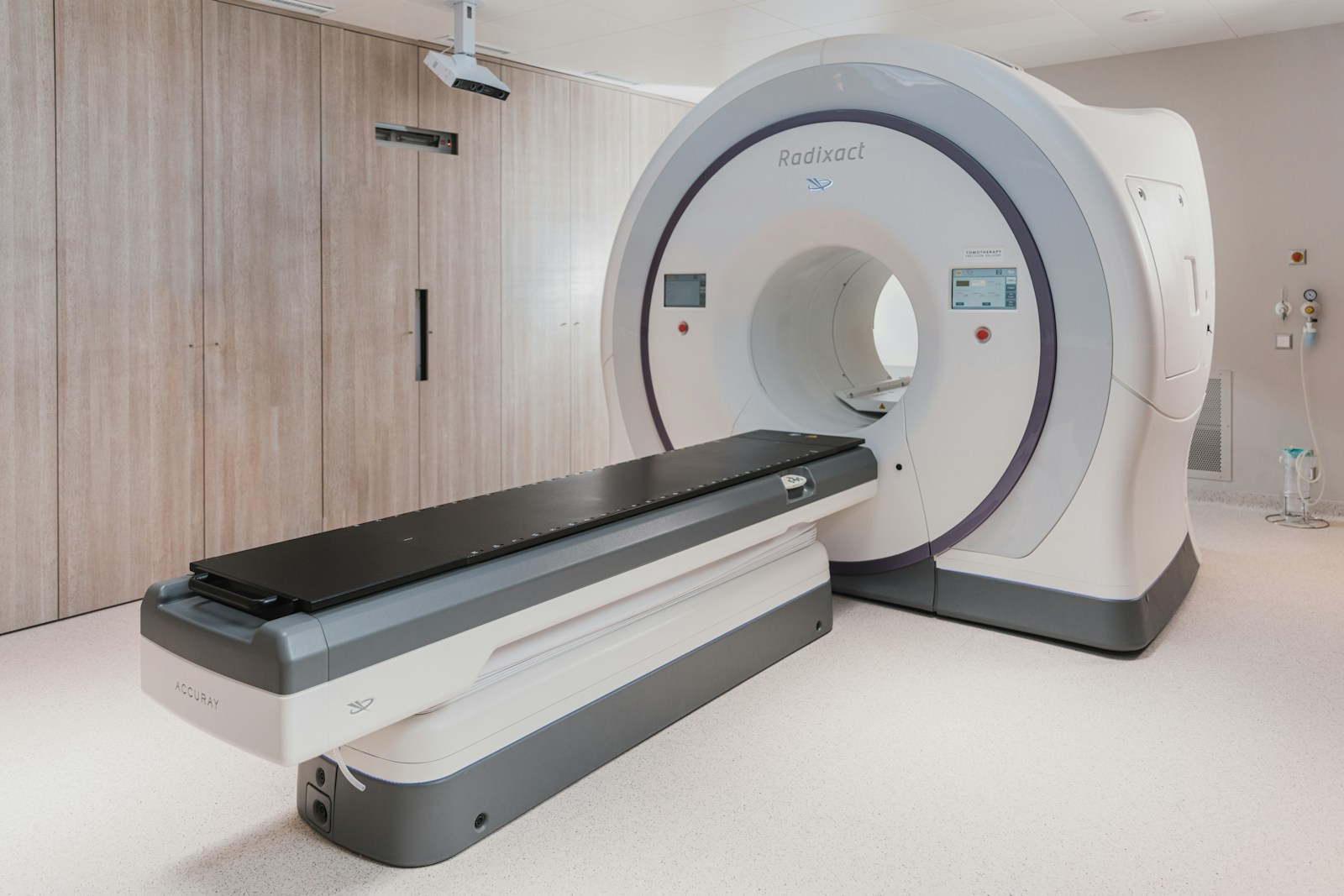
An aging population that needs more scans, expanding use of CT and MRI for conditions once diagnosed differently, and pandemic-era imaging backlogs that never fully cleared have all added pressure on top of normal workforce turnover. None of this is unique to one country. The Travel Radiology Jobs market inside the US exists largely because hospitals cannot fill permanent radiographer positions fast enough, which is the domestic version of the same shortage driving international recruitment abroad.
Training pipelines have not kept pace either. Radiography programs take years to expand capacity, licensing bodies cannot fast-track new graduates without lowering standards, and experienced radiographers retiring or leaving the field for less demanding roles removes capacity faster than new graduates can replace it.
The radiographer shortage also compounds on itself in a way that is easy to miss. A short-staffed imaging department asks remaining radiographers to cover more shifts, which accelerates burnout and early retirement, which widens the exact vacancy rate that caused the problem in the first place. Breaking that cycle is part of why health systems have turned to overseas recruitment rather than waiting for domestic training pipelines to catch up on their own.
How Bad Is the Radiographer Shortage, Really?
| Country (Role Measured) | Reported Shortage/Vacancy | Source & Year |
|---|---|---|
| United States (CT technologists) | 19.4% vacancy rate, an all-time high | ASRT Staffing Survey, 2025 |
| United Kingdom (clinical radiology workforce) | 29% workforce shortfall | RCR Workforce Census, 2024 |
| Canada (medical radiation technologists) | ~700 worker shortfall projected | Govt. occupational projections, by 2031 |
| Australia (sonographers) | Workforce skews older; very few overseas approvals | ASA workforce data, 2019-2022 |
The table above reflects the most recent survey and census data published by each country’s own professional bodies or government agencies. The US figures come from the American Society of Radiologic Technologists’ 2025 Staffing and Workplace Survey, which found vacancy rates “near record highs” across nearly every imaging modality, with CT technologist vacancies climbing from 17.7 percent in 2023 to 19.4 percent in 2025.
The UK numbers require one important clarification. The Royal College of Radiologists’ 2024 Workforce Census tracks clinical radiologists, meaning physicians who interpret scans, not diagnostic radiographers, the allied health professionals who operate the imaging equipment. The two roles are frequently confused in casual reporting, but the underlying pressure, imaging demand outpacing workforce growth, affects both professions in a similar way.
Canada’s shortage is comparatively modest. Government occupational projections show medical radiation technologists facing roughly 700 more job openings than available workers by 2031, a real gap but a much smaller one than the UK or US figures suggest. Australia’s shortage is concentrated specifically in sonography, where the workforce skews older and international-trained sonographer approvals have stayed very low for years.
Real Overseas Recruitment Already Happening
The radiographer shortage is not a hypothetical trend playing out only in survey data. NHS England runs a national international recruitment programme for radiographers and imaging staff tied to its Community Diagnostic Centres, and individual NHS trusts have been running concrete recruitment campaigns for years, not months.

Royal Wolverhampton NHS Trust, for example, recruited 29 radiographers internationally as of an October 2023 report, including staff from the Philippines, India, Nigeria, Saudi Arabia, and Qatar, with additional arrivals already planned at the time. Royal Devon University Healthcare NHS Foundation Trust confirmed through a Freedom of Information request that its international recruitment continued through the year to April 2025, with further hires planned beyond that window.
NHS Employers also maintains an ethical Code of Practice that bars actively recruiting from a World Health Organization list of countries facing their own health workforce shortages, which shapes exactly which countries this recruitment activity can target. This detail matters because it means the recruitment pattern you see reported is not random. It follows a defined, published policy.
Peer-reviewed research, including a 2024 study in the journal Radiography mapping migrant diagnostic radiographers in the UK, confirms this is a sustained, multi-year pattern rather than a short-term response to one staffing crisis. The overseas recruitment described in headlines is an ongoing pipeline, not a single hiring event that will quietly end.
What This Means If You’re Considering a Move Abroad
If you are a UK-bound radiographer, the process runs through the Health and Care Professions Council. International applications typically take around 60 working days and cost £678.38 as of a November 2025 update, and require an English-language score alongside a qualification-mapping review against HCPC standards. A Certificate of Sponsorship and a Health and Care Worker visa follow HCPC registration, not replace it.
Canada added medical radiation technologists to its occupation-targeted Express Entry draws starting in 2023, meaning qualifying international applicants with six months of relevant experience in the past three years can apply through a dedicated skilled-migration pathway rather than the general pool. The median wage for the role sits around CAD 75,000 a year, according to government wage data.
Australia’s opportunity is real but narrow. Sonographers sit on the National Skills Priority List, which supports skilled migration visas, but only 88 overseas-trained sonographers were approved to practice over the five years leading up to 2022, a small number that should reset expectations about volume even where the underlying shortage is genuine.
In the US, licensing runs state by state rather than through a single national body, so an internationally trained technologist’s path depends heavily on which state they are targeting. The American Registry of Radiologic Technologists publishes international-specific guidance, and checking a target state’s licensing board directly is worth doing before assuming a US move will work the same way the UK process does.
How to Actually Start the Process
Most radiographers who successfully relocate internationally start the same way: by identifying which country’s radiographer shortage is large enough, and whose recruitment pathway is structured enough, to be worth the paperwork. For the UK specifically, that usually means applying directly through an NHS trust’s own international recruitment programme or a vetted agency, rather than a generic overseas job board.
Document preparation is where most delays happen. Academic transcripts, proof of clinical hours, English-language test results, and identity verification documents all typically need certified translation or notarization before a registration body will even begin reviewing an application. Starting this paperwork before applying to specific roles, rather than after receiving an offer, shortens the overall timeline considerably.
Working with your current employer during this process is also worth considering rather than avoiding. Some employers, aware of how competitive the radiographer shortage has made hiring, will offer counteroffers, adjusted schedules, or internal transfer options once they know a relocation is on the table, which is worth knowing about even if you ultimately still choose to move.
Budgeting for the move itself matters as much as the paperwork. Some NHS trusts and international recruitment agencies cover flights, initial accommodation, or registration fees as part of a relocation package, but terms vary trust by trust and agency by agency. Asking directly what is covered, and getting it in writing before accepting an offer, avoids an unpleasant surprise partway through what is already a long process.
What This Means If You’re Staying Put
A radiographer shortage this well documented is not only relevant to people planning to relocate. In a market where CT vacancy rates sit near an all-time high, radiographers who stay in their current country and role generally have more leverage than they did even a few years ago, whether that shows up as negotiating a higher starting salary, requesting a schedule change, or asking for tuition support toward an additional certification.
Overtime and per-diem shift availability tends to expand alongside vacancy rates too, since departments short-staffed relative to patient volume often have little choice but to offer extra shifts at a premium rate. Reviewing your own facility’s current vacancy rate, if it is published or known internally, is a reasonable starting point before any salary or schedule conversation with a manager.
Common Mistakes People Make Reading About This Shortage
- Confusing the radiographer shortage with the radiologist shortage. Radiologists are physicians who read scans; radiographers operate the equipment. The workforce data for each is tracked and reported separately.
- Assuming every country’s overseas recruitment volume matches the UK’s. The UK runs a large, structured international pipeline, while Australia’s overseas-trained approvals have stayed in the dozens over several years.
- Thinking HCPC registration alone secures a UK job. Registration is a required step, but a Certificate of Sponsorship and a separate Health and Care Worker visa application still follow it.
- Treating US licensing as a single national process. Radiologic technologist licensing in the US runs state by state, so a pathway that works in one state may not apply in another.
Each of these mistakes is understandable, since international healthcare recruitment genuinely varies country by country, but together they explain why one radiographer’s experience relocating can look completely different from another’s, even when both are reacting to the same underlying shortage.
Frequently Asked Questions About the Radiographer Shortage
Is the radiographer shortage the same as the radiologist shortage?
No. Radiologists are physicians who interpret medical images, while radiographers, also called radiologic technologists, are the allied health professionals who operate the imaging equipment. Both professions face pressure from the same underlying driver, imaging demand growing faster than the workforce, but the data and the recruitment pathways are tracked separately.
Which country is recruiting radiographers most aggressively right now?
Based on current reporting, the UK has the most visible and sustained international recruitment activity, run through NHS trusts and tied to national Community Diagnostic Centre programmes. Canada has opened a formal skilled-migration pathway for the role. Australia’s international intake remains comparatively small despite a real, documented shortage.
How long does UK registration actually take for an international radiographer?
As of a November 2025 update, HCPC international applications take around 60 working days and cost £678.38, not counting the additional time needed to secure a Certificate of Sponsorship and a Health and Care Worker visa afterward.
Does the radiographer shortage mean salaries are rising?
Some regional and market-specific reporting suggests rising sign-on incentives in parts of the US market, though exact figures vary by source and region, and should be checked against a specific employer rather than treated as a single national number.
Should I expect the same process in every country?
No. Registration timelines, visa sponsorship structures, and the actual volume of international hiring differ significantly between the UK, US, Canada, and Australia, which is why researching the specific requirements for your target country matters more than assuming one country’s process applies everywhere.
The Bottom Line
The radiographer shortage driving overseas recruitment is real, documented by multiple countries’ own professional bodies and government data, and it is reshaping how health systems like the NHS, and to a lesser extent Canada and Australia, approach imaging staffing. For job seekers, the opportunity is genuine but uneven: a large, structured pipeline in the UK, a formal but smaller pathway in Canada, a narrow opportunity in Australia, and a fragmented, state-by-state process in the US.
The practical takeaway is to research the specific registration and visa process for your target country directly, rather than assuming this shortage automatically means an easy international move, and to revisit this data periodically, since imaging demand and workforce numbers shift from year to year in every country that tracks them. Whether you relocate or stay exactly where you are, understanding how large this shortage actually is puts you in a stronger position either way.
Anonymous and approximate. We store one number for this article and nothing about you.
Email digest
We also run a layoff tracker, built from company filings and official notices. A plain email summary of what changed on these trackers: headline numbers, the largest new entries, and links to the sources. You confirm your address by clicking a link we email you, and one click unsubscribes. Already subscribed? Use this form to change what you get. The boxes replace what you had.
Our mail provider records whether you open an email and which links you follow, including the confirmation email, which is measured before you have agreed to anything. Unsubscribing stops the sending and the recording together.
You can read every past edition first. Each one is kept permanently, exactly as it was sent.
Privacy note: what we store and how to erase it
What we store: your email address, the choices above, and timestamps (signed up, confirmed, last sent). Nothing else about you.
What our mail provider records: whether you opened an email and which links you followed, tied to your address. That is Brevo, the service that delivers these emails, and it works by adding a small invisible image and by routing links through its own address. We read it to see which sections people use. Unsubscribing stops the sending and the measuring at the same time, and erasing your row removes it from our side.
The confirmation email is measured too: the same invisible image is in the one message that asks your permission. If you open it, Brevo records that against your address before you have agreed to anything, and it records it even if you then never confirm. We would exempt that message if we could. Brevo offers no way to switch its measuring off for a single email, and the one setting that exists covers every email we send or none of them. If you would rather not be measured at all, do not open it. Nothing else is ever sent to an unconfirmed address, and the signup is deleted from our side after 30 days.
About the links: links in the digest pass through a counter on this site that adds 1 to a total for that link and sends you straight on. It records no identifier, no IP address and no browser details, so it counts how many times a link was followed and can never say who followed it.
What it is used for: sending you exactly the emails you ticked, nothing else. The address is never shared, sold, or used for any other purpose.
How to erase it: click the unsubscribe link in any email. That stops all sending immediately, and unsubscribed addresses, along with signups that were never confirmed, are hard-deleted automatically after 30 days. You can also ask via the contact page.