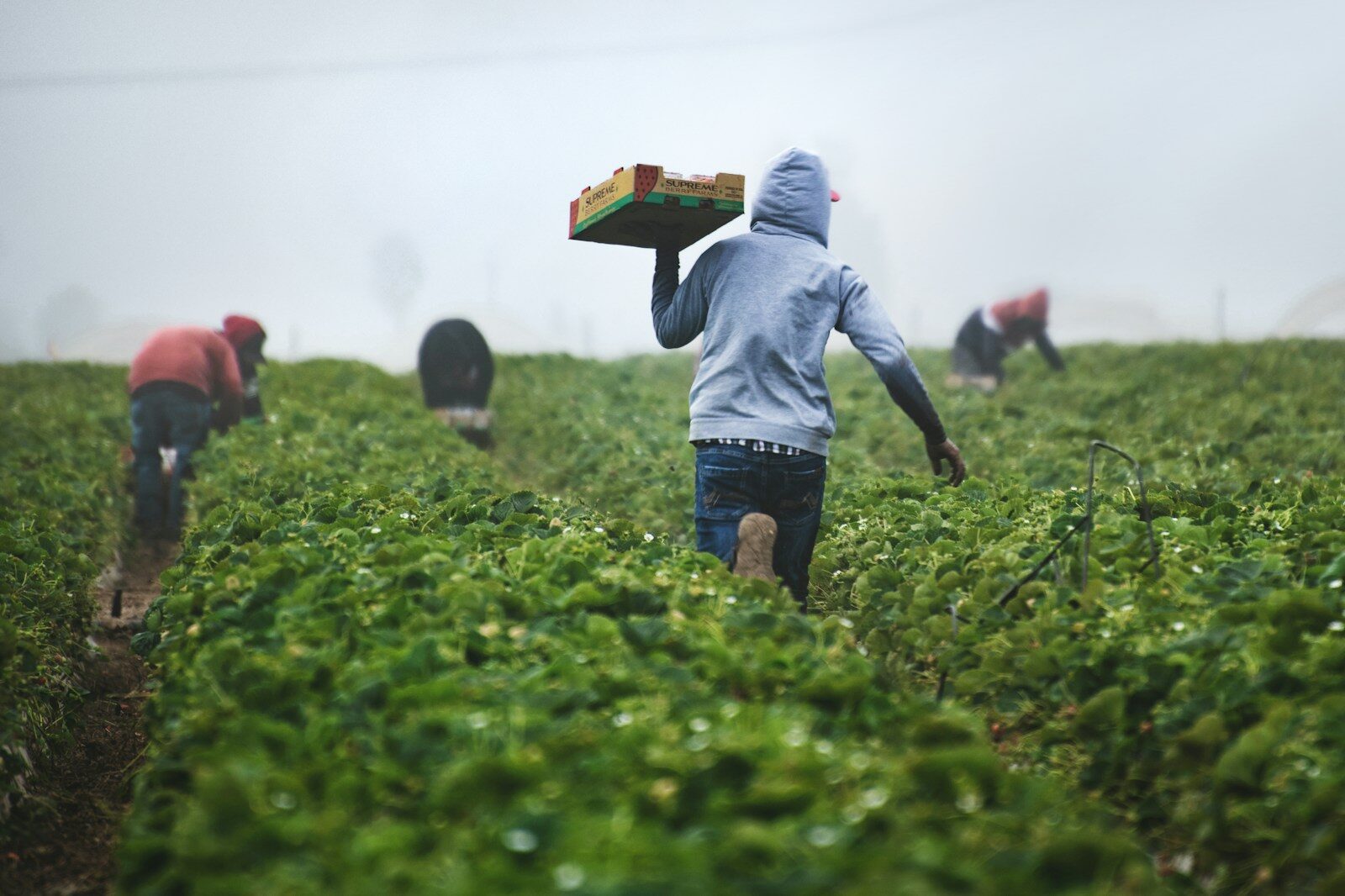
If you’ve spent years dreaming about trading a desk job for open land, the real question isn’t whether you can become a farmer — it’s whether you understand what the transition actually costs, in both money and time. The romantic version of this career change skips over years of hands-on labor, thin profit margins, and a learning curve most beginners underestimate. The real version, backed by federal labor and agriculture data, is more demanding than the daydream — and more achievable than the skeptics claim.
The Short Answer
Yes, you can become a farmer without inheriting land or a family operation, but nearly every successful beginning farmer follows the same sequence: they work on someone else’s farm first, they start small, they lean on off-farm income longer than they expect to, and they use the federal programs built specifically for people in their exact position. Skip any one of those steps and the odds tilt hard against you.
The Numbers Behind the Farming Career Path
Before you become a farmer, it helps to know what the career actually pays and who actually succeeds at it. According to the U.S. Bureau of Labor Statistics, farmers, ranchers, and other agricultural managers earned a median annual wage of $87,980 in 2024, across 836,100 jobs nationwide. Total employment in the field is projected to decline about 1% between 2024 and 2034 as smaller operations consolidate, but that doesn’t mean the field is closed to newcomers — the BLS still projects roughly 85,500 openings per year, most of them created by experienced farmers retiring or otherwise leaving the occupation. Typical entry only requires a high school diploma on paper, but in practice almost every hiring path runs through several years of work as a paid agricultural laborer or manager first.
The USDA Economic Research Service paints an even more specific picture of who is actually doing this right now. Beginning farms — operations in business fewer than 10 years — make up about 14% of the country’s 1.8 million family farms. Beginning operators average 51 years old, compared with 64 for established operators, a 13-year gap that reflects both new entrants and the industry’s aging workforce. These beginning operations generate only around 7% of total agricultural output value despite representing 14% of all farms, which tells you plainly that most beginning farms start small and stay small for years. Financially, beginning farm households earn an average of just $4,205 from farming itself, offset by $150,921 in off-farm income — compared to established farm households, who average $35,545 from farming and $124,448 off-farm. Beginning farmers are also more educated than their established counterparts: more than 42% hold a four-year college degree, versus 31% of established operators.
The 4 Essential Steps to Actually Make the Transition
If the data above tells you anything, it’s that people who make this transition successfully rarely do it in one leap. Here’s the sequence that actually works.
- Get paid experience first. The BLS notes that most agricultural managers spend years working as agricultural workers or assistant managers before running their own operation. Before you take this on full time, spend at least a full growing season — ideally several — working for an established operation. You’ll learn equipment, timing, and financial realities no course can teach you.
- Start small and keep your off-farm income. USDA ERS data shows beginning farm households rely on off-farm income for the overwhelming majority of their earnings. Plan around that reality instead of fighting it — keep a part-time job, a spouse’s income, or consulting work in place for the first several years while the farm itself grows.
- Use the USDA’s beginning farmer programs. USDA’s farmers.gov Beginning Farmers portal exists specifically for people in your position, with Farm Service Agency loans, a Loan Assistance Tool, and Beginning Farmer and Rancher Coordinators in every state who can walk you through financing and land access options.
- Build agriculture-specific business knowledge. USDA’s own six-step guide for beginning farmers puts “Build Business Knowledge” right alongside planning your operation and funding it. Farming is a business first — budgeting, record-keeping, and understanding commodity markets matter as much as knowing how to run a tractor.
Who Tends to Succeed as a Beginning Farmer
The people who make this career change and stay in it share a few habits. They treat the first few years like an apprenticeship rather than an ownership stake, reinvesting profit instead of drawing a full-time income from it. They tend to be more educated than the established farming population, which tracks with USDA ERS findings that beginning operators are more likely to hold a four-year degree. And they build in a financial cushion from the start, whether that’s savings, a working spouse, or a part-time trade, rather than betting the whole household budget on year-one yields.
What to Ask Yourself Before You Make the Leap
Before you commit, get honest answers to a few questions. Do you have — or can you realistically get — access to land, whether through purchase, lease, or a beginning-farmer loan program? Can your household absorb two to five years of the farm operating at a loss or near break-even? Have you actually worked a full season on someone else’s operation, or are you estimating the workload from the outside? If any of these answers are shaky, it’s worth spending more time in exploring what you actually want from a career change before you sink savings into land and equipment. It’s also worth treating the transition itself as a structured learning process — the kind of deliberate continuing education that turns a vague dream into a funded, workable plan.
Common Mistakes People Make When They Become a Farmer
The data above also explains where people who become a farmer usually go wrong. The same three mistakes show up again and again in USDA and BLS numbers alike.
- Skipping the apprenticeship years. The BLS entry path assumes real hands-on time working for someone else first. People who buy land and equipment before they’ve worked a full season on an established operation tend to make expensive, avoidable mistakes with timing, equipment, and cash flow.
- Underestimating how long off-farm income has to carry the household. USDA ERS data shows beginning farm households average $150,921 in off-farm income against just $4,205 from farming itself. People who plan to become a farmer full time in year one, rather than year five or later, are usually planning around a number the data doesn’t support.
- Ignoring the free help. State Beginning Farmer and Rancher Coordinators, FSA loan officers, and USDA’s Loan Assistance Tool exist specifically to reduce the risk of this transition, yet many beginning farmers never contact them and instead try to finance everything through private debt or personal savings alone.
Frequently Asked Questions About How to Become a Farmer
How much land do I need to start?
There’s no single answer for everyone who wants to become a farmer, and USDA data shows beginning operations are typically far smaller than established ones — many run on a few acres, especially for vegetables, specialty crops, or small livestock. The Farm Service Agency’s Loan Assistance Tool can help estimate financing based on the specific acreage and operation type you’re considering, rather than assuming you need hundreds of acres from day one.
Do I need a college degree in agriculture?
No, but it doesn’t hurt. USDA ERS data shows beginning farm operators are more likely than established operators to hold a four-year degree, though the field they studied in varies widely. Hands-on experience through paid agricultural work tends to matter more to hiring managers and lenders than a specific major.
How long until a new farm turns a profit?
USDA ERS figures suggest it can take years, not months — beginning farm households currently average just over $4,000 in farm income annually, which is why nearly every source on this topic recommends keeping off-farm income intact well beyond the first season.
The Bottom Line
You can become a farmer without a family operation behind you, and thousands of people become a farmer this exact way every year, but the data is clear about how it actually happens: years of hands-on experience first, a small operation that grows slowly, off-farm income that carries the household longer than expected, and real use of the USDA programs built for exactly this transition. Skip the fantasy version and follow the sequence that beginning farmers who actually make it all seem to follow, and the leap becomes a calculated one instead of a gamble.
Anonymous and approximate. We store one number for this article and nothing about you.
Email digest
We also run a layoff tracker, built from company filings and official notices. A plain email summary of what changed on these trackers: headline numbers, the largest new entries, and links to the sources. You confirm your address by clicking a link we email you, and one click unsubscribes. Already subscribed? Use this form to change what you get. The boxes replace what you had.
Our mail provider records whether you open an email and which links you follow, including the confirmation email, which is measured before you have agreed to anything. Unsubscribing stops the sending and the recording together.
You can read every past edition first. Each one is kept permanently, exactly as it was sent.
Privacy note: what we store and how to erase it
What we store: your email address, the choices above, and timestamps (signed up, confirmed, last sent). Nothing else about you.
What our mail provider records: whether you opened an email and which links you followed, tied to your address. That is Brevo, the service that delivers these emails, and it works by adding a small invisible image and by routing links through its own address. We read it to see which sections people use. Unsubscribing stops the sending and the measuring at the same time, and erasing your row removes it from our side.
The confirmation email is measured too: the same invisible image is in the one message that asks your permission. If you open it, Brevo records that against your address before you have agreed to anything, and it records it even if you then never confirm. We would exempt that message if we could. Brevo offers no way to switch its measuring off for a single email, and the one setting that exists covers every email we send or none of them. If you would rather not be measured at all, do not open it. Nothing else is ever sent to an unconfirmed address, and the signup is deleted from our side after 30 days.
About the links: links in the digest pass through a counter on this site that adds 1 to a total for that link and sends you straight on. It records no identifier, no IP address and no browser details, so it counts how many times a link was followed and can never say who followed it.
What it is used for: sending you exactly the emails you ticked, nothing else. The address is never shared, sold, or used for any other purpose.
How to erase it: click the unsubscribe link in any email. That stops all sending immediately, and unsubscribed addresses, along with signups that were never confirmed, are hard-deleted automatically after 30 days. You can also ask via the contact page.