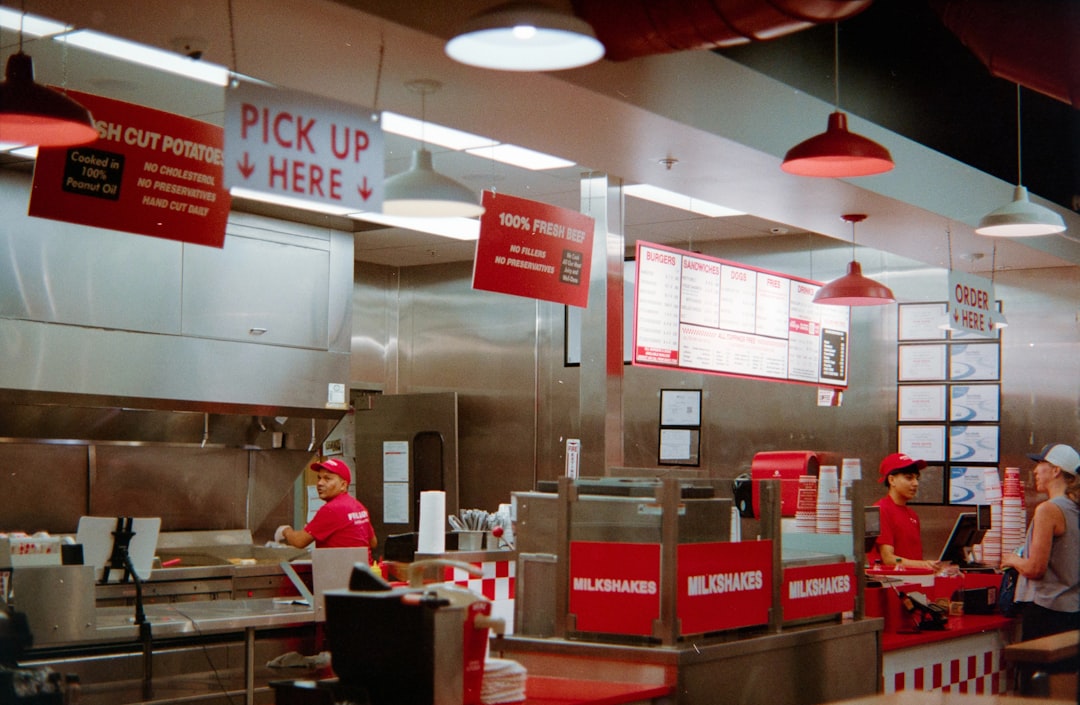
A Chipotle interview is likely to focus on the realities of restaurant work: showing up reliably, learning procedures, serving customers and helping the team during a rush. The exact questions vary by location and manager, so memorizing a script is less useful than preparing a few honest examples.
“Why do you want to work here?”
Give a reason connected to the work. “I need a job” may be true, but it tells the manager nothing about why you will stay or perform well.
Example: “I like work where I am moving and interacting with people rather than sitting all day. I also want to learn restaurant operations, and this location is close enough that I can be dependable for the evening shifts.”
Use your real reason. Do not praise a company program you know nothing about just because it sounds impressive.
“Tell me about a time you handled a difficult customer.”
Choose a short story with a beginning, action and result. If this is your first job, examples from volunteering, school events or helping a neighbor are valid.
Example: “At a school fundraiser, a parent was upset because the pickup line had stopped moving. I listened, explained where the delay was and checked with the organizer instead of guessing. We found the missing order, and I stayed near the line to update the next families before they had to ask.”
The point is not that the customer was difficult. The point is that you stayed useful.
“How do you work under pressure?”
Avoid claiming that pressure never affects you. Explain what you do when several things need attention.
Example: “During busy periods I confirm the immediate priority, finish one step correctly and communicate if I need help. On my soccer team, that meant listening for the coach’s call instead of trying to solve every problem on the field myself.”
“What would you do if a coworker ignored a safety procedure?”
Food safety is not an area for silence. A sensible answer is to address an immediate risk, remind the coworker respectfully and involve the manager when needed. Do not invent your own procedure; follow training and ask when unsure.
“What is your availability?”
Know the answer before the interview. Include school, transportation and firm commitments. Be as flexible as you genuinely can, but do not promise shifts you cannot sustain.
Example: “During the school year I can start at 4:30 on weekdays and work any time Saturday. I need Sundays off. My ride is reliable, and I can work later during school breaks.”
“Why should we hire you if you have no experience?”
Example: “I have not worked in a restaurant, so I will need to learn your process. What I can bring immediately is reliability. I have made every 6 a.m. practice this season, I take correction without arguing and I am comfortable talking with people I do not know.”
Questions you can ask the manager
Ask what the first two weeks of training look like, how schedules are posted, what makes a new crew member successful and what the current pay range is. Pay and scheduling are legitimate questions. Ask them professionally rather than pretending those details do not matter.
What to bring
Wear clean, simple clothes and closed-toe shoes. Bring your availability and a resume if you have one. Arrive early enough to account for transportation, but not so early that the manager must interrupt a shift to accommodate you.
Practice your examples, not exact sentences. A manager would rather hear a plain, believable answer than a perfect speech that does not sound like you.
Anonymous and approximate. We store one number for this article and nothing about you.
Email digest
We also run a layoff tracker, built from company filings and official notices. A plain email summary of what changed on these trackers: headline numbers, the largest new entries, and links to the sources. You confirm your address by clicking a link we email you, and one click unsubscribes. Already subscribed? Use this form to change what you get. The boxes replace what you had.
Our mail provider records whether you open an email and which links you follow, including the confirmation email, which is measured before you have agreed to anything. Unsubscribing stops the sending and the recording together.
You can read every past edition first. Each one is kept permanently, exactly as it was sent.
Privacy note: what we store and how to erase it
What we store: your email address, the choices above, and timestamps (signed up, confirmed, last sent). Nothing else about you.
What our mail provider records: whether you opened an email and which links you followed, tied to your address. That is Brevo, the service that delivers these emails, and it works by adding a small invisible image and by routing links through its own address. We read it to see which sections people use. Unsubscribing stops the sending and the measuring at the same time, and erasing your row removes it from our side.
The confirmation email is measured too: the same invisible image is in the one message that asks your permission. If you open it, Brevo records that against your address before you have agreed to anything, and it records it even if you then never confirm. We would exempt that message if we could. Brevo offers no way to switch its measuring off for a single email, and the one setting that exists covers every email we send or none of them. If you would rather not be measured at all, do not open it. Nothing else is ever sent to an unconfirmed address, and the signup is deleted from our side after 30 days.
About the links: links in the digest pass through a counter on this site that adds 1 to a total for that link and sends you straight on. It records no identifier, no IP address and no browser details, so it counts how many times a link was followed and can never say who followed it.
What it is used for: sending you exactly the emails you ticked, nothing else. The address is never shared, sold, or used for any other purpose.
How to erase it: click the unsubscribe link in any email. That stops all sending immediately, and unsubscribed addresses, along with signups that were never confirmed, are hard-deleted automatically after 30 days. You can also ask via the contact page.