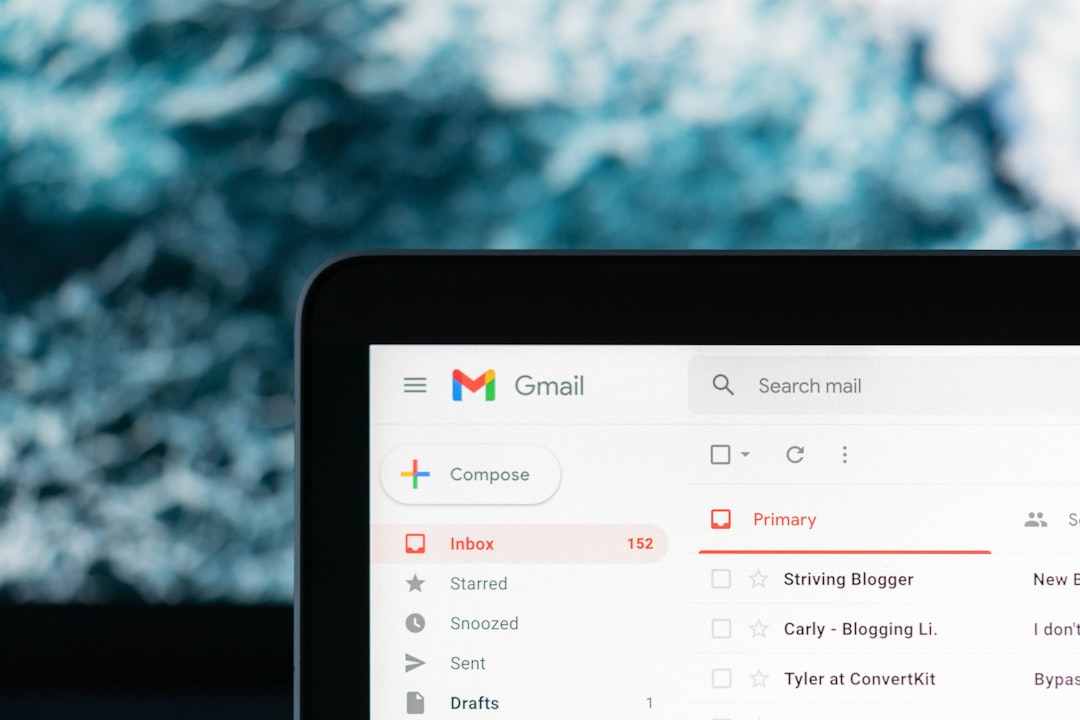
Getting a rejection email after investing real time and hope into an application is genuinely discouraging, but how to respond to a job rejection email is worth thinking through, since a short, gracious reply can quietly keep the door open for future opportunities at that same company.
Why It Is Worth Responding at All
It might feel easier to simply close the email and move on, but a brief, polite reply does real work. Recruiters and hiring managers remember candidates who handle rejection with grace, and companies frequently have other openings within weeks or months of a rejection. A short, professional response keeps you on their radar for the next relevant role, rather than closing the door entirely on a company you were genuinely interested in.
What to Include in Your Response
A strong response is brief, genuine, and forward looking. Thank the recruiter or hiring manager for their time and the opportunity to interview. If it feels natural, express continued interest in the company for future openings. Keep the tone warm and professional rather than defensive or overly emotional, even if you are disappointed. You do not need to ask for detailed feedback unless you have a real, specific reason to, and even then, a brief, polite request is more likely to get a thoughtful answer than a long message asking them to justify the decision.
Example: A Simple, Warm Response
Thank you so much for letting me know, and for the opportunity to interview for the role. I really enjoyed learning more about the team and the work you are doing. I would love to be considered for future openings that might be a good fit, and I hope our paths cross again.
Example: Requesting Brief Feedback
Thank you for letting me know, and for taking the time to interview me. I understand you had a lot of strong candidates to choose from. If you have a moment, I would genuinely appreciate any feedback on how I could strengthen my candidacy for similar roles in the future. Either way, thank you again for your time and consideration.
Example: Reconnecting With a Recruiter You Liked
Thank you for the update. I really enjoyed our conversations throughout the process and would love to stay in touch in case a role opens up that fits my background well. Please feel free to keep me in mind, and I wish you and the team continued success.
What to Avoid in Your Response
A few habits undercut an otherwise gracious response. Avoid sending a long message that argues with the decision or lists reasons you should have been chosen instead, since this rarely changes the outcome and can leave a negative final impression. Avoid a response that sounds passive aggressive or bitter, even subtly, since recruiters do talk to each other and a sour final interaction can follow you. And avoid over asking, such as requesting a detailed breakdown of every reason you were not selected, which puts the recruiter in an uncomfortable position and rarely leads to useful information.
When It Is Fine to Simply Move On
Not every rejection requires a reply, and that is fine too. If the interaction was brief, impersonal, or purely automated with no real relationship built during the process, it is completely reasonable to simply move forward without a formal response. Save the extra effort of a warm, thoughtful reply for roles and companies where you built a genuine connection and would seriously consider a future opportunity there.
Turning Rejection Into a Long Term Advantage
Job searches rarely move in a straight line, and the same company that rejects you for one role may reach back out for another within the same year. A short, gracious response costs you very little time but can meaningfully improve your standing with a company you may want to work for down the line. Handling rejection well is a small, low effort habit that consistently pays off over the course of a longer job search.
How Quickly Should You Reply?
A reply within one to two business days strikes the right balance, showing genuine responsiveness without feeling rushed or overly eager. If you need a day to process disappointment before writing a calm, professional message, that is completely reasonable, since a reply written in frustration is easy to regret later. Waiting more than a week, however, starts to lose the natural momentum of the interaction and can make the message feel like an afterthought rather than a genuine reflection of your interest.
Using LinkedIn to Stay Connected After a Rejection
Beyond an email reply, it is often worth sending a brief, genuine LinkedIn connection request to the recruiter or hiring manager you interacted with most during the process, if you have not already connected. A short note referencing your recent interview, without asking for anything, keeps a light professional connection alive that can be useful the next time a relevant role opens. This small step often matters more than job seekers expect, since recruiters frequently reach back out to strong candidates from a previous search before posting a brand new role publicly.
Anonymous and approximate. We store one number for this article and nothing about you.
Email digest
We also run a layoff tracker, built from company filings and official notices. A plain email summary of what changed on these trackers: headline numbers, the largest new entries, and links to the sources. You confirm your address by clicking a link we email you, and one click unsubscribes. Already subscribed? Use this form to change what you get. The boxes replace what you had.
Our mail provider records whether you open an email and which links you follow, including the confirmation email, which is measured before you have agreed to anything. Unsubscribing stops the sending and the recording together.
You can read every past edition first. Each one is kept permanently, exactly as it was sent.
Privacy note: what we store and how to erase it
What we store: your email address, the choices above, and timestamps (signed up, confirmed, last sent). Nothing else about you.
What our mail provider records: whether you opened an email and which links you followed, tied to your address. That is Brevo, the service that delivers these emails, and it works by adding a small invisible image and by routing links through its own address. We read it to see which sections people use. Unsubscribing stops the sending and the measuring at the same time, and erasing your row removes it from our side.
The confirmation email is measured too: the same invisible image is in the one message that asks your permission. If you open it, Brevo records that against your address before you have agreed to anything, and it records it even if you then never confirm. We would exempt that message if we could. Brevo offers no way to switch its measuring off for a single email, and the one setting that exists covers every email we send or none of them. If you would rather not be measured at all, do not open it. Nothing else is ever sent to an unconfirmed address, and the signup is deleted from our side after 30 days.
About the links: links in the digest pass through a counter on this site that adds 1 to a total for that link and sends you straight on. It records no identifier, no IP address and no browser details, so it counts how many times a link was followed and can never say who followed it.
What it is used for: sending you exactly the emails you ticked, nothing else. The address is never shared, sold, or used for any other purpose.
How to erase it: click the unsubscribe link in any email. That stops all sending immediately, and unsubscribed addresses, along with signups that were never confirmed, are hard-deleted automatically after 30 days. You can also ask via the contact page.