Technology in nursing has moved from a background convenience to the thing that actually defines the job. A nurse trained fifteen years ago and a nurse trained this year are learning two different professions, even though the core work of caring for patients has not changed at its core.
According to the U.S. Bureau of Labor Statistics, registered nurses earned a median annual wage of $97,550 in 2025, with employment projected to grow 6 percent from 2025 to 2035, faster than average, and roughly 180,800 openings a year. A bachelor’s degree remains the typical entry point, though associate-degree and diploma pathways still exist.
That growth is happening alongside a parallel shift inside the profession itself. The HIMSS 2022 Nursing Informatics Workforce Survey found that 60 percent of nursing informatics professionals earned more than $100,000 that year, up from 49 percent in 2020 and 45 percent in 2017, and that certification rates in the specialty rose from 47 percent in 2017 to 70 percent in 2022.
This guide covers the five biggest ways technology in nursing has reshaped the job, based on how hospitals, clinics, and nursing programs are actually adapting to it right now.
The pace of that adaptation has not been even across the profession. Larger health systems with dedicated informatics departments have generally moved faster than smaller practices and rural facilities, which means two nurses with identical training can end up with meaningfully different levels of comfort with technology in nursing depending entirely on where they happened to work first.
Nurses who treat these shifts as background noise, something IT handles while they focus on patient care, are increasingly at a disadvantage compared to nurses who understand technology in nursing as a core professional skill rather than an accessory to it.
The Short Answer
Technology in nursing has changed the profession through five major shifts: electronic health records becoming baseline literacy rather than a specialty skill, telehealth turning nursing into a partly virtual profession, nursing informatics emerging as a distinct and well-paid career path, AI-assisted monitoring and decision support changing bedside workflows, and remote patient monitoring extending nursing care beyond hospital walls.
Nurses who build comfort with these tools early, rather than treating them as something to tolerate until retirement, are the ones positioned for the specialty roles and pay increases tied to this shift.
Why Technology in Nursing Is Reshaping the Job Itself
Most conversations about technology in nursing focus narrowly on electronic charting, but the HIMSS survey data points to something bigger: a genuine specialty has formed around it. Nearly 39 percent of surveyed informatics professionals have more than a decade of experience in the field, and 48 percent work in organizations with a formal Chief Nursing Informatics Officer role, which did not widely exist a generation ago.
Becoming credentialed in this specialty follows a defined path through the American Nurses Credentialing Center. The ANCC Informatics Nursing Certification requires an active RN license, a bachelor’s degree or higher in nursing, two years of full-time RN practice, and then one of three specific informatics-hours pathways shown below.
| NI-BC Pathway | Requirement | Best Fit For |
|---|---|---|
| Practice hours only | 2,000+ hours in informatics nursing within the last 3 years | Nurses already working in informatics roles |
| Practice hours + coursework | 1,000+ hours in the last 3 years plus 12 semester hours of graduate informatics coursework | Nurses transitioning in with some grad-level study |
| Graduate program pathway | Graduate informatics program with 200+ hours of faculty-supervised practicum | Nurses pursuing a formal informatics degree |
The table above illustrates why this credential is not something a nurse stumbles into. Each pathway requires a meaningful, documented time investment, which is exactly why 58 percent of newly certified informatics nurses in the HIMSS survey reported securing a new role after earning the credential.
The 5 Biggest Shifts Technology Has Brought to Nursing
1. Electronic health records became baseline literacy, not a specialty
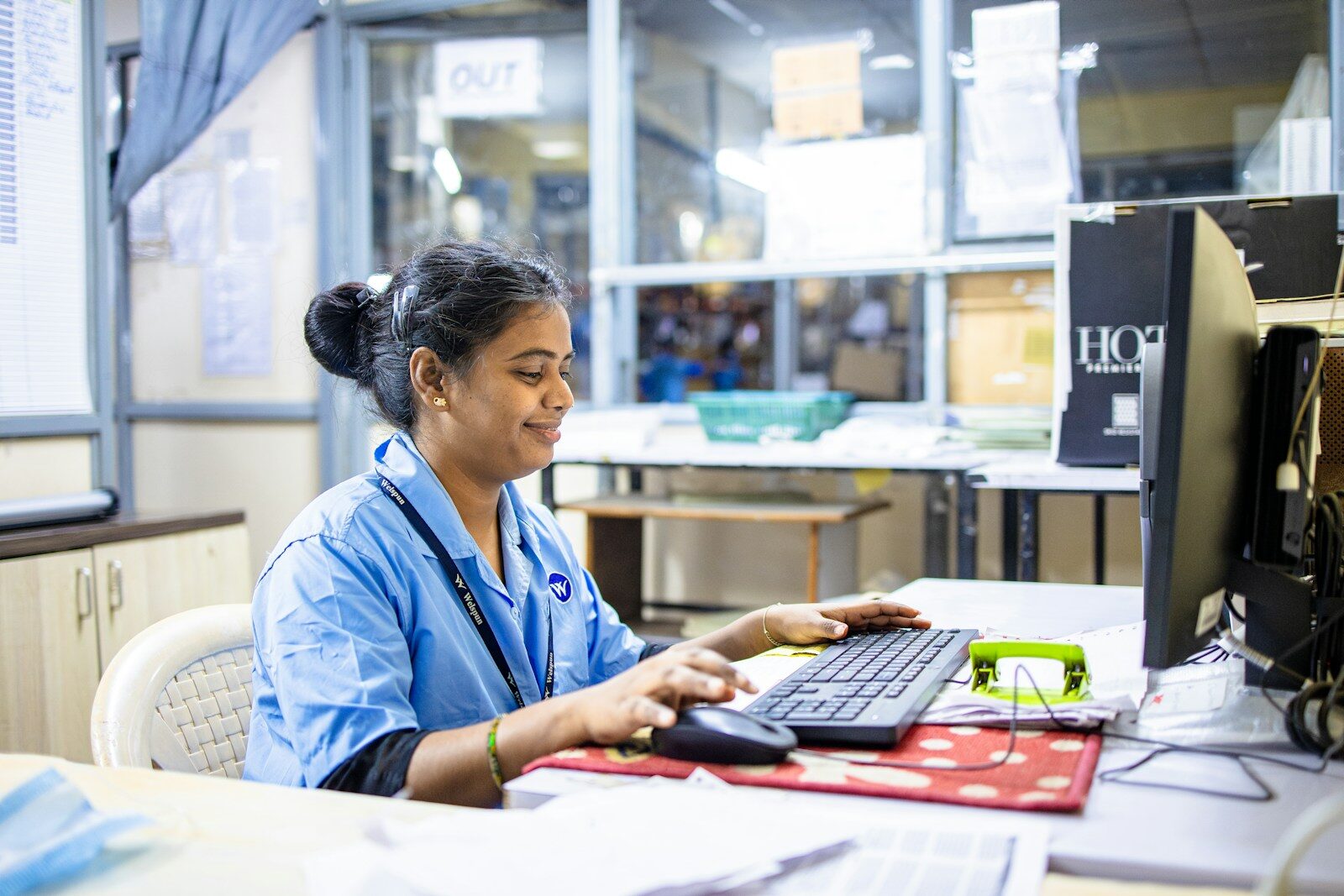
A decade ago, comfort with electronic health records separated tech-savvy nurses from the rest of a unit. Today, EHR fluency is assumed on day one of most nursing jobs, and struggling with the system is treated the same as struggling with basic charting, since the two have effectively merged into a single skill.
This shift has quietly raised the bar for new graduates. Nursing programs that still treat EHR training as an afterthought are producing graduates who need weeks of additional onboarding that their better-prepared peers do not, which is increasingly a factor employers notice during a probationary period.
Some hospital systems now ask about specific EHR platform experience, such as Epic or Cerner, directly in interviews for entry-level nursing roles, treating it with roughly the same weight as clinical rotation experience. A nursing candidate who can speak specifically about which systems they have used, rather than offering a vague assurance that they are comfortable with technology in general, tends to interview noticeably better for this reason.
2. Telehealth turned nursing into a partly virtual profession
Telehealth adoption accelerated dramatically in the early 2020s and never fully retreated to pre-pandemic levels, which means a meaningful share of nursing work now happens over video and phone rather than at a bedside. Triage nursing, chronic disease management, and post-discharge follow-up calls are all roles that increasingly exist in a partly or fully remote form.
This matters for career planning specifically because virtual nursing roles often carry different scheduling flexibility and sometimes different pay structures than traditional bedside positions, and nurses who assume all nursing work looks the same as it did ten years ago are missing a meaningfully different set of job options.
Virtual roles also tend to suit specific career stages well. A nurse managing family caregiving responsibilities, recovering from a physical injury that makes long bedside shifts difficult, or simply looking for a schedule with less physical demand often finds that telehealth-based nursing work, once a niche option, is now a genuinely viable full career track rather than a temporary accommodation.
3. Nursing informatics emerged as a distinct, well-paid career path
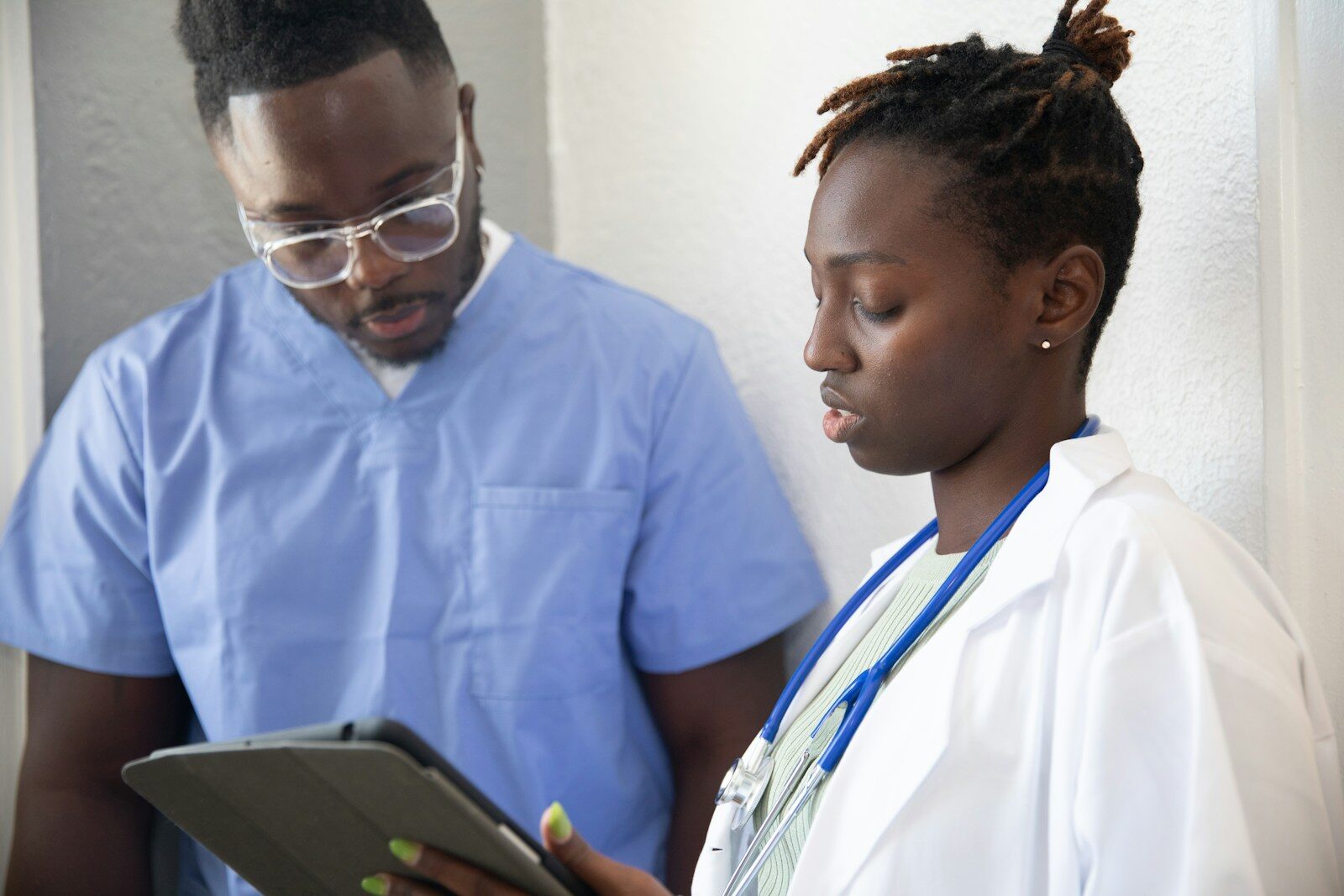
Nursing informatics did not really exist as a mainstream specialty a generation ago, and now it represents one of the clearest examples of technology in nursing creating an entirely new job category rather than just changing an existing one. The role sits at the intersection of clinical nursing knowledge and systems design, translating what nurses actually need at the bedside into how software and hardware get built and configured.
Because this specialty is still relatively young compared to established nursing tracks, nurses who move into it early in its growth curve, rather than waiting for it to become as competitive as more traditional specialties, tend to have an easier time securing the CNIO-track leadership roles that are becoming more common at larger health systems.
4. AI-assisted monitoring and decision support changed bedside work
Clinical decision support tools, many of them AI-assisted, now flag medication interactions, predict patient deterioration, and surface relevant information from a patient’s history without a nurse needing to manually search for it. This is one of the more visible examples of technology in nursing changing daily workflow, since it has not replaced clinical judgment but has changed what a nurse is actually doing with their attention during a shift.
The nurses who adapt best to this shift treat these tools as a second set of eyes rather than either blindly trusting every alert or dismissing the technology entirely out of skepticism. Both extremes create real patient safety risk, and the middle path, verifying flagged concerns quickly rather than ignoring or over-relying on them, is what actually separates strong technology adopters from nurses who struggle with the transition.
5. Remote patient monitoring extended nursing beyond hospital walls
Wearable devices and home monitoring equipment now let nurses track a patient’s vital signs, glucose levels, or cardiac rhythms without that patient being physically present in a facility. This has created nursing roles focused specifically on managing large panels of remotely monitored patients, a job that essentially did not exist as a dedicated specialty before this technology matured.
For nurses considering where technology in nursing is heading next, remote monitoring is one of the clearest growth areas, since it directly addresses the capacity constraints that come with the BLS’s projected 180,800 annual RN openings by letting one nurse safely oversee more patients than bedside staffing ratios would otherwise allow.
This creates a genuinely different daily workflow than bedside nursing, built around monitoring dashboards, alert triage, and proactive outreach rather than in-person rounding. Nurses who enjoy pattern recognition and data-driven decision making, rather than the hands-on physical care that draws many people to nursing initially, often find this shift plays directly to their strengths.
What Separates Nurses Who Adapt Well From Those Who Fall Behind
Nurses who navigate technology in nursing successfully tend to do a few specific things: they treat new systems as core clinical skills worth genuine practice time, they pursue relevant certifications like the ANCC informatics credential when a specialty genuinely interests them, and they stay curious about new tools rather than assuming their current systems knowledge will stay relevant indefinitely.
Nurses who struggle tend to treat every new system rollout as a temporary inconvenience to get through rather than a permanent shift in how the job works. They also avoid specialty certifications because the upfront hours feel like a detour from clinical practice, and wait for technology changes to become mandatory before engaging with them at all.
That pattern tends to compound over a career rather than stay flat. A nurse who avoids learning each new system as it arrives ends up further behind with every subsequent rollout, while a nurse who engages early builds a foundation that makes the next tool easier to pick up. If you are earlier in a transition into nursing altogether, becoming a nurse covers the broader steps of that career change, and a well-built nursing resume increasingly needs to reflect EHR systems and informatics tools you have actually used.
Nursing is far from the only field being reshaped this directly by technology, and the underlying pattern, a profession’s core tools changing faster than its training pipeline does, shows up across healthcare and beyond. Anyone navigating a broader shift in what their field requires may find that making a career change at any age addresses the same adaptation challenge from a wider angle.
Common Mistakes When Adjusting to Technology in Nursing
- Treating EHR struggles as someone else’s problem. Since charting and systems use have merged into one skill, avoiding EHR competency is functionally the same as avoiding basic clinical documentation.
- Dismissing AI-assisted alerts without verifying them. Ignoring flagged concerns out of skepticism carries the same patient safety risk as blindly trusting every alert without clinical judgment.
- Assuming specialty certification is only for people leaving bedside care. Many informatics and telehealth roles are extensions of clinical experience, not a departure from it.
- Waiting for a system rollout to become mandatory before learning it. Nurses who build familiarity early are consistently the ones considered first for related specialty openings.
Any single one of these mistakes is recoverable, but together they explain much of the gap between nurses who move into better-paid specialty and leadership roles as technology in nursing keeps expanding and nurses who feel increasingly left behind by systems they never fully engaged with.
Frequently Asked Questions About Technology in Nursing
Is nursing informatics a good career path for a working nurse?
For a nurse who genuinely enjoys the systems and workflow side of healthcare, yes. The HIMSS survey data shows strong compensation growth and high certification rates in the field, though the ANCC certification pathway does require a meaningful upfront investment of documented informatics hours or graduate coursework.
Do all nurses need to become tech specialists?
No. Baseline EHR fluency and comfort with common clinical technology are effectively required for any nursing role today, but deeper specialization in informatics, telehealth, or remote monitoring is a career choice rather than a requirement for every nurse.
How has telehealth changed day-to-day nursing work?
Telehealth has created nursing roles built around video and phone-based triage, chronic disease management, and follow-up care that did not widely exist as dedicated positions before adoption accelerated, giving nurses more variety in where and how they can work.
What credential should a nurse pursue to move into informatics?
The ANCC Informatics Nursing Certification is the most widely recognized credential in the field, requiring an active RN license, a bachelor’s degree in nursing, two years of RN practice, and one of three specific informatics-hours pathways described by the American Nurses Credentialing Center.
Will AI replace bedside nursing judgment?
Current AI-assisted tools in nursing are built to support clinical judgment, flagging risks and surfacing information, not to replace the decision-making itself. Nurses who verify flagged concerns rather than blindly trusting or ignoring them are using these tools as intended.
The Bottom Line
Technology in nursing is not a side conversation happening around the profession, it is actively reshaping what the job requires day to day. Electronic health records, telehealth, nursing informatics, AI-assisted monitoring, and remote patient monitoring are the five shifts driving that change right now.
Treating these tools as core professional skills rather than obstacles, and pursuing specialty certification when a particular area genuinely interests you, is what turns this shift from a source of stress into a source of real career growth within nursing. Understanding technology in nursing as a permanent feature of the profession, rather than a passing trend to wait out, is what ultimately separates nurses who thrive from nurses who quietly fall behind.
Anonymous and approximate. We store one number for this article and nothing about you.
Email digest
We also run a layoff tracker, built from company filings and official notices. A plain email summary of what changed on these trackers: headline numbers, the largest new entries, and links to the sources. You confirm your address by clicking a link we email you, and one click unsubscribes. Already subscribed? Use this form to change what you get. The boxes replace what you had.
Our mail provider records whether you open an email and which links you follow, including the confirmation email, which is measured before you have agreed to anything. Unsubscribing stops the sending and the recording together.
You can read every past edition first. Each one is kept permanently, exactly as it was sent.
Privacy note: what we store and how to erase it
What we store: your email address, the choices above, and timestamps (signed up, confirmed, last sent). Nothing else about you.
What our mail provider records: whether you opened an email and which links you followed, tied to your address. That is Brevo, the service that delivers these emails, and it works by adding a small invisible image and by routing links through its own address. We read it to see which sections people use. Unsubscribing stops the sending and the measuring at the same time, and erasing your row removes it from our side.
The confirmation email is measured too: the same invisible image is in the one message that asks your permission. If you open it, Brevo records that against your address before you have agreed to anything, and it records it even if you then never confirm. We would exempt that message if we could. Brevo offers no way to switch its measuring off for a single email, and the one setting that exists covers every email we send or none of them. If you would rather not be measured at all, do not open it. Nothing else is ever sent to an unconfirmed address, and the signup is deleted from our side after 30 days.
About the links: links in the digest pass through a counter on this site that adds 1 to a total for that link and sends you straight on. It records no identifier, no IP address and no browser details, so it counts how many times a link was followed and can never say who followed it.
What it is used for: sending you exactly the emails you ticked, nothing else. The address is never shared, sold, or used for any other purpose.
How to erase it: click the unsubscribe link in any email. That stops all sending immediately, and unsubscribed addresses, along with signups that were never confirmed, are hard-deleted automatically after 30 days. You can also ask via the contact page.