Life as an expat sounds glamorous in theory and disorienting in practice, and most of the disorientation comes from the same handful of predictable problems rather than anything unique to the country someone moves to. Knowing what those problems are before you move abroad is the single biggest factor in whether the first year feels like an adventure or a slog.
According to AARO’s research, an estimated 5.5 million Americans were living abroad as of late 2024, a number built from United Nations migration data combined with U.S. Census figures since the federal government does not require citizens to register their location when they relocate internationally.
The scale of expat life globally is even larger. InterNations’s 2025 Expat Insider survey collected responses from 10,085 expats representing 172 nationalities across 46 destinations, and the results show a consistent pattern: some countries make settling in dramatically easier than others, and the difference usually comes down to a specific, learnable set of adjustment skills rather than luck.
This guide covers the five essential tips that actually make a difference in how quickly someone adjusts to life as an expat, based on what the available research shows separates people who settle in well from people who struggle for years.
The Short Answer
Life as an expat goes more smoothly when you treat the first few months as a structured adjustment period rather than an extended vacation, build a local support network deliberately instead of waiting for friendships to happen naturally, learn enough of the local language and bureaucracy to function independently, set a realistic financial and paperwork plan before you move rather than after, and expect a genuine dip in mood partway through the first year instead of assuming something has gone wrong when it happens.
Skipping the adjustment-period mindset and expecting immediate comfort is the most common reason otherwise well-prepared people cut an international move short.
Why Some Countries Make Expat Life Easier Than Others
The InterNations data is useful precisely because it is not just a ranking of pleasant places to live, it measures how easy expats actually find the process of settling in. Panama, Colombia, and Mexico topped the 2025 rankings largely because of social integration, described in the survey coverage as offering “a friendly and welcoming culture, with no shortage of a social life,” while several Nordic and European countries scored poorly on the same measure despite strong infrastructure and quality of life.
That gap matters enormously for anyone planning life as an expat, because it shows that a country’s overall desirability and its ease of social integration are two different things entirely. A country can have excellent healthcare, safety, and salaries while still being a genuinely difficult place to make friends or navigate daily bureaucracy as an outsider.
Administrative friction is a specific, named problem in the research. The survey coverage notes that Italy and Germany rank poorly in digital services and bureaucratic processes, which means expats there spend disproportionate time on paperwork that residents in higher-ranking countries simply do not have to deal with. Researching a destination’s specific bureaucratic reputation before moving, not just its cost of living, is worth real time investment.
| Rank | Country | 2025 Standout Strength |
|---|---|---|
| 1 | Panama | Social integration and welcoming culture |
| 2 | Colombia | Friendly culture, active social life |
| 3 | Mexico | Affordability and ease of settling in |
| 4 | Thailand | Cost of living and housing affordability |
| 5 | Vietnam | Cost of living and housing affordability |
The table above is a reminder that life as an expat varies enormously by destination, and the countries topping global rankings for ease of settling in are not always the ones people assume, cost of living and social openness frequently matter more than raw economic opportunity.
The 5 Essential Tips for Life as an Expat
1. Treat the first few months as a structured adjustment period

The most common mistake in adjusting to life as an expat is expecting the excitement of the move to simply continue indefinitely. Researchers studying cross-cultural adjustment describe a recognizable sequence: an initial period of fascination with the new surroundings, followed by mounting frustration as daily friction accumulates, and only later a genuine sense of settling in once local systems and relationships start to feel familiar.
Knowing this sequence exists in advance changes how someone experiences it. A frustrating week two months into life as an expat feels like a crisis if you expect smooth sailing the whole way through, but feels like a normal, temporary phase if you already know the dip is coming and that it passes for almost everyone who sticks with it.
A practical way to apply this is treating the first three to six months as a deliberate learning period rather than a test of whether the move was the right decision. Give yourself permission to feel disoriented without treating that disorientation as evidence that something has gone wrong.
2. Build a local support network deliberately, not passively
Waiting for friendships to happen naturally works far more slowly abroad than it does at home, since the daily social infrastructure that normally produces friendships, a stable job with familiar coworkers, a lifelong neighborhood, family nearby, is largely absent for someone new to a country. Expats who build genuine local connections tend to do so through consistent, repeated activities rather than one-off social events.
Joining a class, a sports league, a religious community, or a recurring hobby group gives you the same people to see week after week, which is what actually produces friendship over time far more reliably than attending occasional expat meetups. The goal is regular, low-pressure repeated contact, not a single dramatic effort to build a social circle all at once.
It also helps to build relationships with both other expats and local residents rather than relying entirely on either group. Other expats understand the specific disorientation of life as an expat, while local friends provide the cultural fluency and practical knowledge that only comes from having grown up in the country.
3. Learn enough language and bureaucracy to function independently
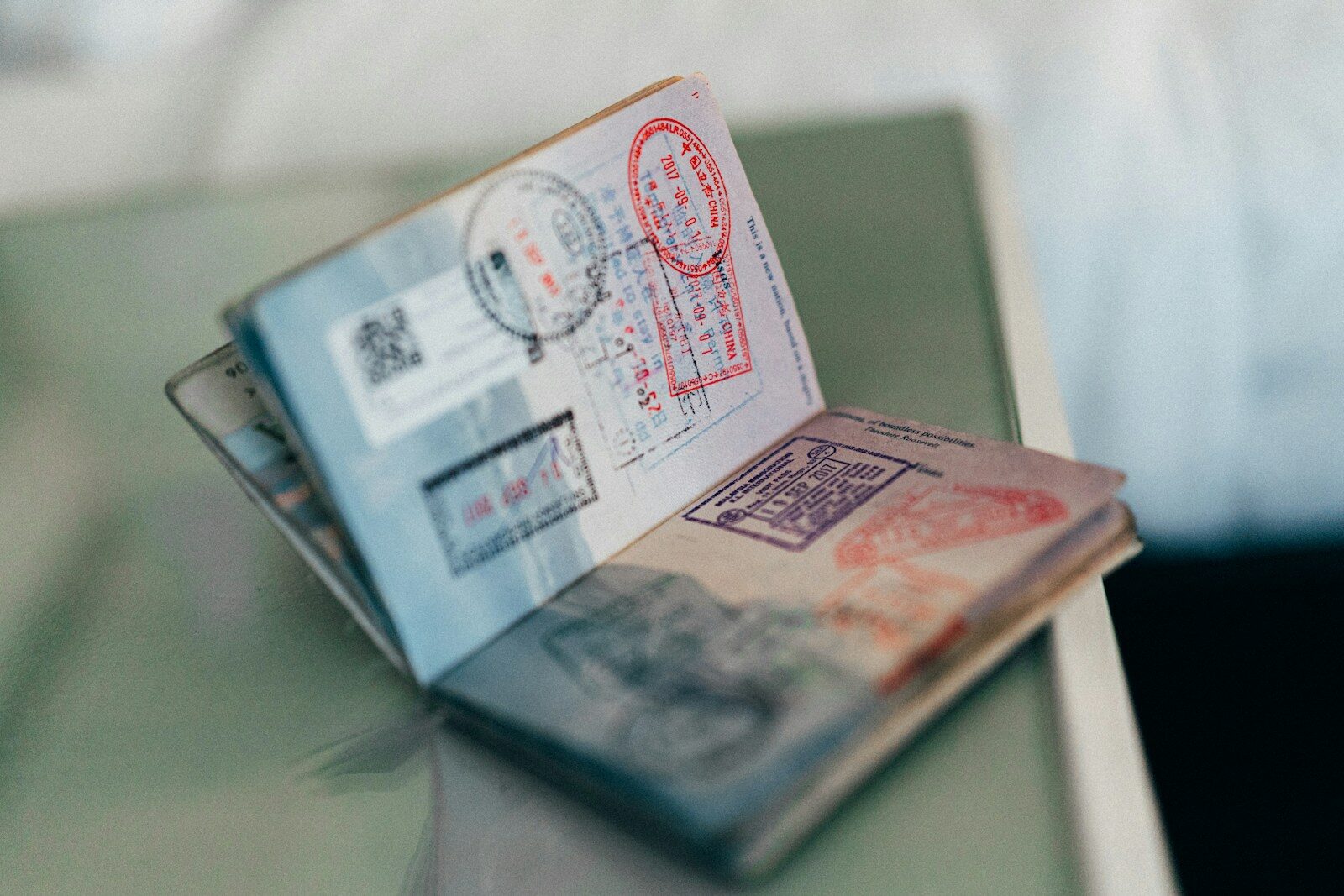
Depending entirely on translation apps and English-speaking service providers works for a short visit, but it becomes exhausting as a long-term strategy for life as an expat, and it keeps you dependent on other people for tasks you would otherwise handle yourself in minutes. Even basic functional fluency dramatically reduces daily friction, from grocery shopping to understanding a lease agreement.
Bureaucracy deserves the same deliberate attention as language. The InterNations research specifically flags certain countries for weak digital government services and heavy paperwork burdens, and understanding your destination’s particular bureaucratic quirks, residency renewal timelines, tax filing requirements, healthcare registration steps, before you need them urgently prevents the kind of last-minute scrambling that turns a manageable process into a genuine crisis.
This does not require fluency before you move. It requires a realistic plan for building functional competence steadily over your first year, treating both language and paperwork as skills to develop rather than problems to avoid.
4. Set a realistic financial and paperwork plan before you move
Underestimating the upfront cost and administrative complexity of an international move is one of the most common and most avoidable mistakes in planning life as an expat. Visa fees, temporary housing while searching for a permanent place, the cost of shipping or replacing belongings, and a currency exchange buffer for the inevitable early mistakes all add up to considerably more than most people budget for initially.
Anyone moving for a job should also understand what negotiating a relocation package with a new employer can realistically cover, since many employers are willing to contribute toward moving costs, temporary housing, or visa fees but only when an employee actually asks rather than assuming those costs are entirely their own responsibility.
Paperwork planning matters just as much as financial planning. Missing a residency renewal deadline or a tax filing requirement because you did not realize it existed is a far more common problem among first-time expats than any dramatic cultural misstep, and it is also one of the easiest to prevent with a simple calendar of deadlines set up before you move.
5. Expect a genuine mood dip partway through the first year, and plan for it
The adjustment research is consistent on this point: a drop in mood and motivation partway through the first year abroad is close to universal, not a sign of poor preparation or the wrong decision. This period typically arrives once the novelty has worn off but before local systems and relationships feel fully comfortable, and it can feel discouraging precisely because it often follows an initially exciting few months.
Knowing this dip is coming, rather than being blindsided by it, is itself a form of preparation. People who expect a rough patch partway through their first year tend to interpret it correctly as a normal, temporary phase, while people who expect the excitement to continue indefinitely sometimes interpret the same dip as proof they made a mistake, even when the underlying adjustment is proceeding completely normally.
What Separates Expats Who Thrive From Expats Who Struggle
The pattern among people who build a genuinely good life as an expat is consistent: they treat the adjustment period as a real, expected process rather than an inconvenience, invest deliberate effort into local relationships and language rather than waiting for both to develop on their own, and plan financially and administratively before problems appear rather than scrambling to react once they do.
People who struggle tend to do the opposite. They expect the initial excitement to last indefinitely, rely entirely on other expats or translation apps instead of building broader local competence, and treat a difficult stretch partway through the first year as evidence the move was a mistake rather than a normal, temporary phase that most people who eventually thrive also experienced.
If your move abroad is job-related, setting clear career goals before you go helps you evaluate whether the position is actually advancing your career or simply relocating the same role to a new country, which is worth clarifying before, not after, the move.
Common Mistakes When Adjusting to Life as an Expat
- Expecting the honeymoon phase to last indefinitely. A frustrating stretch partway through the first year is close to universal, not a sign the move was a mistake.
- Relying entirely on other expats or translation apps. Both are useful early on, but leaning on them exclusively for a year or more slows local integration and keeps daily tasks harder than they need to be.
- Underestimating upfront costs and paperwork deadlines. Visa fees, temporary housing, shipping costs, and residency renewal dates catch far more first-time expats off guard than any cultural misstep.
- Waiting passively for friendships to form. The social infrastructure that produces friendship at home, familiar coworkers, lifelong neighbors, is largely absent abroad and has to be rebuilt deliberately through repeated activities.
Any one of these mistakes is recoverable on its own, but together they explain most of the difference between expats who settle in well within a year and expats who spend years feeling perpetually like an outsider in their new home.
Frequently Asked Questions About Life as an Expat
How long does it typically take to adjust to life as an expat?
There is no universal timeline, but a realistic expectation based on the adjustment research is somewhere between six months and two years for daily life to feel genuinely comfortable, with a noticeable mood dip somewhere in the middle of that window being close to universal rather than a warning sign.
Is it harder to adjust to life as an expat alone versus with family?
Both paths have real tradeoffs. Moving alone typically means faster language and cultural immersion since there is no built-in English-speaking household to retreat to, while moving with family provides emotional support during the difficult stretches but can also slow down local integration if the family unit becomes a self-contained social world.
What is the biggest financial mistake people make when planning life as an expat?
Underestimating upfront costs, visa fees, temporary housing, shipping belongings, and a currency buffer for early mistakes, is the most common financial misstep, closely followed by not understanding what an employer might be willing to cover as part of a relocation package if simply asked.
Do you need to be fluent in the local language before moving abroad?
No. Functional competence built steadily over the first year matters far more than fluency before departure, and treating language learning as an ongoing skill to develop after arrival, rather than a prerequisite to check off beforehand, is both more realistic and more common among expats who successfully settle in.
Which countries make life as an expat easiest according to recent research?
The 2025 InterNations Expat Insider survey ranked Panama, Colombia, and Mexico at the top, largely due to strong social integration and a welcoming culture, while several Nordic and Western European countries scored lower specifically on ease of settling in despite high overall quality of life.
The Bottom Line
Life as an expat becomes considerably easier once you understand the predictable pattern most people go through: initial excitement, a genuine adjustment dip, and eventual comfort once local relationships and systems feel familiar. None of the five tips above require unusual resources or a personality built for constant reinvention.
Build a local support network deliberately, invest in language and bureaucratic competence steadily, plan your finances and paperwork before problems appear, and expect the mood dip rather than treating it as proof you made a mistake.
Do that consistently, and the research is clear on the outcome: expats who treat adjustment as a real, manageable process rather than something that should happen automatically are the ones who end up genuinely at home in their new country rather than perpetually visiting it.
Anonymous and approximate. We store one number for this article and nothing about you.
Email digest
We also run a layoff tracker, built from company filings and official notices. A plain email summary of what changed on these trackers: headline numbers, the largest new entries, and links to the sources. You confirm your address by clicking a link we email you, and one click unsubscribes. Already subscribed? Use this form to change what you get. The boxes replace what you had.
Our mail provider records whether you open an email and which links you follow, including the confirmation email, which is measured before you have agreed to anything. Unsubscribing stops the sending and the recording together.
You can read every past edition first. Each one is kept permanently, exactly as it was sent.
Privacy note: what we store and how to erase it
What we store: your email address, the choices above, and timestamps (signed up, confirmed, last sent). Nothing else about you.
What our mail provider records: whether you opened an email and which links you followed, tied to your address. That is Brevo, the service that delivers these emails, and it works by adding a small invisible image and by routing links through its own address. We read it to see which sections people use. Unsubscribing stops the sending and the measuring at the same time, and erasing your row removes it from our side.
The confirmation email is measured too: the same invisible image is in the one message that asks your permission. If you open it, Brevo records that against your address before you have agreed to anything, and it records it even if you then never confirm. We would exempt that message if we could. Brevo offers no way to switch its measuring off for a single email, and the one setting that exists covers every email we send or none of them. If you would rather not be measured at all, do not open it. Nothing else is ever sent to an unconfirmed address, and the signup is deleted from our side after 30 days.
About the links: links in the digest pass through a counter on this site that adds 1 to a total for that link and sends you straight on. It records no identifier, no IP address and no browser details, so it counts how many times a link was followed and can never say who followed it.
What it is used for: sending you exactly the emails you ticked, nothing else. The address is never shared, sold, or used for any other purpose.
How to erase it: click the unsubscribe link in any email. That stops all sending immediately, and unsubscribed addresses, along with signups that were never confirmed, are hard-deleted automatically after 30 days. You can also ask via the contact page.