Cosmetology professional liability insurance exists because a beauty career comes with real physical risk to clients, from chemical burns during a perm to an allergic reaction during a facial, and the profession’s decades-long shift toward formal licensing has made carrying this coverage close to a professional expectation rather than an optional extra.
Understanding how the cosmetologist and esthetician professions developed into their current licensed, regulated form helps explain why professional liability insurance became such a standard part of working in this field, and this guide walks through both the history and the practical coverage decisions a stylist, esthetician, or salon owner actually needs to make today.
The Short Answer
Cosmetology professional liability insurance protects a licensed cosmetologist, esthetician, or nail technician against claims arising from client injuries or property damage during a service. It became increasingly common as the profession moved from a loosely regulated trade in the early twentieth century into a licensed profession requiring hundreds of hours of training in nearly every state.
Coverage is typically affordable, often costing well under $300 a year for a solo practitioner, and many salons now require booth renters and independent contractors to carry their own policy before working on the premises.
| Category | Typical Figure |
|---|---|
| Median pay, barbers/hairstylists/cosmetologists (2025) | $35,880/yr |
| Median pay, skincare specialists (2025) | $45,330/yr |
| Typical licensing hours required | 1,000-1,600 hours |
| Typical solo liability policy cost | Roughly $96-$500/year |
How a Licensed Trade Created the Need for Cosmetology Professional Liability Insurance
Cosmetology professionalized rapidly in the 1920s and 1930s as beauty shops multiplied and electrical styling tools made more elaborate services possible, and demand kept climbing through the 1940s and 1950s as stylists became genuine trendsetters in their communities. State cosmetology boards, many of which still operate today, trace their origins to roughly this same early-to-mid-twentieth-century period, when a nominal registration fee gradually gave way to today’s exam-based, hundreds-of-hours licensing systems.
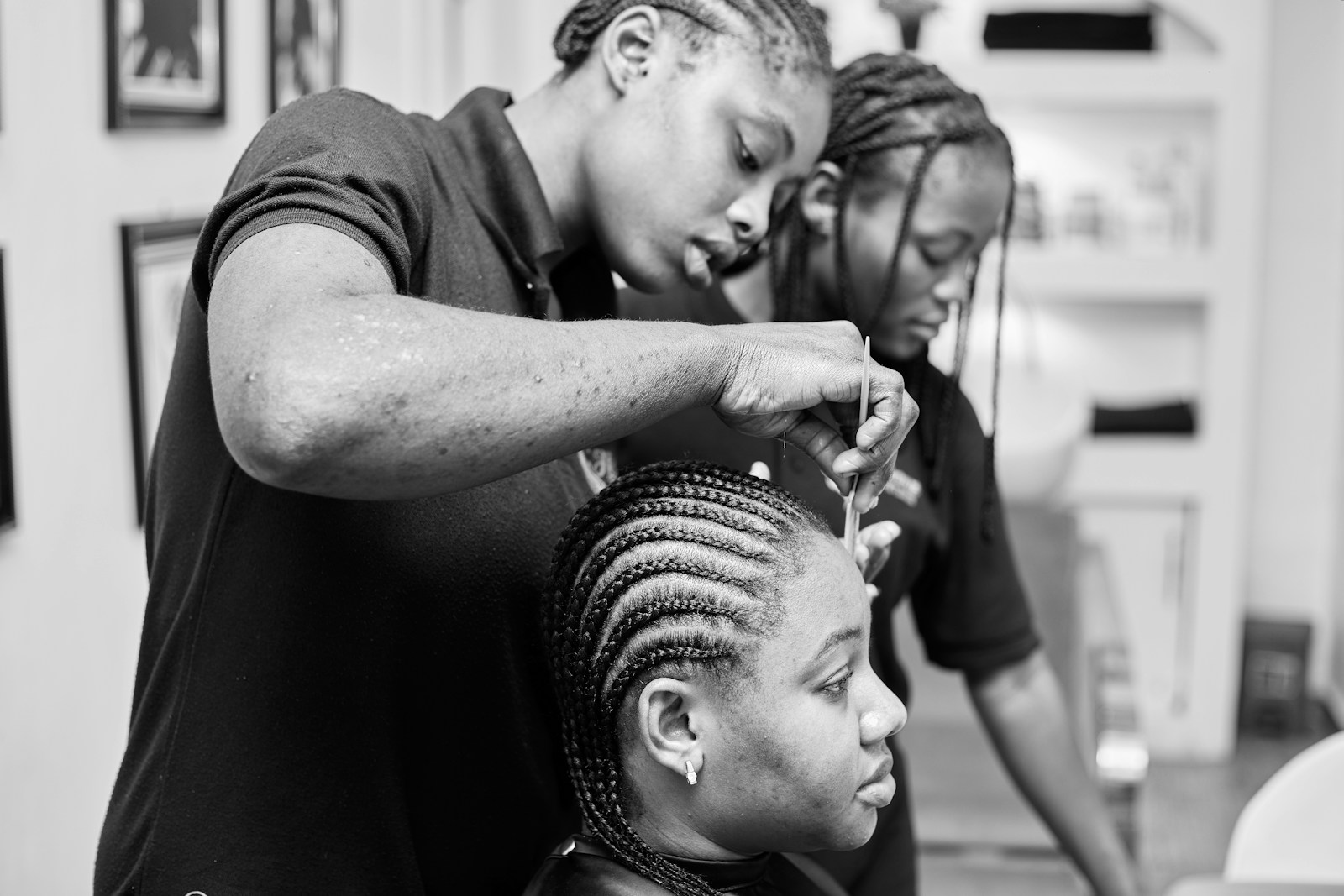
This shift from an informal trade to a regulated profession is the foundation for everything that follows in this guide, since the same licensing infrastructure that protects consumers today is also what created the professional standards behind cosmetology professional liability insurance for anyone working in the field.
Cosmetologist, Cosmetician, and Esthetician: Terms That Affect Your Cosmetology Professional Liability Insurance
“Cosmetologist” is the broad, universally licensed category that covers hair, skin, and nail services under one credential, while “esthetician,” sometimes informally called a “cosmetician” even though that is not a standard licensure term in most states, refers to a narrower skin-care-focused license that generally requires fewer training hours. Understanding which category a specific job or business actually falls under matters considerably when it comes to choosing the right liability insurance, since a policy built for a full-service cosmetologist does not always match the specific risks an esthetician-only practice faces.
Someone building a career in this field benefits from getting clear on this distinction early, since it affects licensing requirements, the specific services a person is legally allowed to perform, and ultimately the type of professional liability insurance that makes sense for their actual scope of practice.
Current Licensing Requirements That Shape Cosmetology Professional Liability Insurance Needs
All fifty states require licensure to legally practice as a cosmetologist, though the specific number of required training hours varies considerably by state, generally falling somewhere between one thousand and sixteen hundred hours of coursework and hands-on practice at an accredited cosmetology school. The National Interstate Council of State Boards of Cosmetology develops standardized national licensing exams covering cosmetology, barbering, esthetics, nail technology, and electrology, which many but not all states use as part of their licensing process, alongside a national data bank that helps verify licenses across state lines.
Continuing education requirements also vary by state and generally apply on a one- to two-year renewal cycle, so checking directly with a specific state’s cosmetology board before assuming a particular hour count or renewal timeline is always worth doing, since third-party guides can disagree slightly and requirements do change over time.
What Cosmetologists and Estheticians Actually Earn
The median annual wage for barbers, hairstylists, and cosmetologists was $35,880 in 2025, with roughly 670,800 people employed in the field and seven percent projected job growth between 2025 and 2035, translating to about 80,300 annual openings nationwide. Skincare specialists, the category that best captures most esthetician work, earned a somewhat higher median of $45,330 in 2025 across about 104,200 jobs, with nine percent projected growth over the same period.
Both career paths typically require completing a state-approved postsecondary training program short of a full degree, followed by passing a state licensing exam, which is the same underlying credential structure that makes cosmetology professional liability insurance a natural and expected part of working in either specialty.
Why This Field Carries Real Risk That Cosmetology Professional Liability Insurance Is Built to Cover
Chemical burns from perms, relaxers, and keratin treatments represent one of the most serious and well-documented risks in cosmetology, since these services involve applying strong chemical formulations directly to a client’s scalp and hair for extended periods of time. Allergic reactions to hair color, skincare products, and nail treatments are similarly common, and they can range from mild redness to a serious reaction requiring emergency medical attention depending on the client’s individual sensitivity.

Skin injury and scarring from waxing or facial treatments, infections from improperly sanitized nail tools, and simple slip-and-fall accidents on a wet salon floor round out the most frequent categories of claims in this field, which together explain why cosmetology professional liability insurance has become such a standard part of operating safely in a hands-on beauty career.
What Professional Liability Insurance Actually Covers
A typical cosmetology professional liability policy covers the cost of a client’s medical treatment, legal defense fees, and any settlement or judgment that results from a covered claim of bodily injury or property damage caused during a service. Many policies bundle professional liability together with general liability coverage, which additionally protects against claims unrelated to the specific service itself, such as a client slipping on a wet floor in the reception area rather than being injured during treatment.
Reading a specific policy’s exact coverage limits and exclusions carefully before purchasing matters considerably, since the difference between a policy covering three million dollars in aggregate claims versus a much lower limit can make a significant difference if a serious claim is ever filed.
What Cosmetology Professional Liability Insurance Actually Costs
Cosmetology professional liability insurance for cosmetologists and estheticians is generally quite affordable compared to the potential cost of an uninsured claim, with providers such as Beauty and Bodywork Insurance offering combined general and professional liability coverage starting around ten dollars a month, or roughly ninety-six dollars a year, with aggregate coverage limits up to three million dollars.
Other providers price esthetician-specific general liability around twenty-nine dollars a month and professional liability separately around forty-two dollars a month, while some booth-renter-focused policies start as low as around one hundred seventy-nine dollars annually.
| Provider Example | Approximate Cost |
|---|---|
| Beauty and Bodywork Insurance (combined GL + PL) | From about $10/month |
| Esthetician general liability (separate) | About $29/month |
| Esthetician professional liability (separate) | About $42/month |
| Booth-renter-focused policy | From about $179/year |
Comparing a handful of quotes from different providers before choosing a policy is worth the modest time investment, since coverage limits, bundled services, and price can vary meaningfully between insurers even for what looks like a similar policy on the surface.
Why Salons Increasingly Require Booth Renters to Carry Their Own Policy
Booth renters and independent contractors working inside an established salon are commonly required to carry their own professional liability policy, since they typically are not automatically covered under the salon owner’s separate insurance once they are functioning as an independent business inside the space. This arrangement protects the salon owner from liability for a contractor’s individual work while also protecting the independent stylist or esthetician’s own business and personal assets if a client ever files a claim against them specifically.
Anyone considering booth rental as a business structure should clarify this cosmetology professional liability insurance requirement directly with the salon owner before signing a rental agreement, since assuming coverage exists without confirming it in writing is one of the more common and costly mistakes new booth renters make.
Real Claim Examples That Show Why Coverage Matters
Published claim examples from one insurance provider illustrate just how costly an uninsured incident can become: a facial burn case resulted in a payout of $19,819, a fall or dizziness incident during treatment resulted in $41,593, and facial scarring from a waxing service resulted in payouts ranging from $47,160 to $55,089 in different cases. A comparatively minor eye-swelling reaction from a wax treatment still resulted in a payout of $521, showing that even smaller incidents carry real financial consequences without coverage in place.
These figures come from one insurer’s published claim scenarios rather than an independently verified industry-wide dataset, but they still illustrate the real dollar range a single claim can reach, which is precisely the financial exposure that cosmetology professional liability insurance exists to absorb.
How to Choose Cosmetology Professional Liability Insurance That Actually Fits Your Work
Matching a policy to the specific services actually performed, whether that is full-service cosmetology, esthetics-only skin care, or a narrower nail technology practice, is the most important step in choosing cosmetology professional liability insurance that will genuinely protect against the claims most likely to arise in that specific line of work. Checking whether a policy bundles general liability alongside professional liability, confirming the aggregate coverage limit, and reading the list of excluded services carefully before purchasing all help avoid an unpleasant surprise if a claim is ever filed.
- Confirm which services are actually covered. A policy built for hair services may not automatically cover waxing, facials, or nail treatments.
- Check the aggregate coverage limit. A higher limit, such as three million dollars, provides meaningfully more protection than a bare-minimum policy.
- Ask whether general liability is bundled in. Some providers sell it separately from professional liability, which can affect total cost.
- Get any salon requirement in writing. Confirm exactly what coverage a salon expects from booth renters before signing a rental agreement.
Working through this checklist before comparing specific providers makes the entire shopping process considerably faster, since it narrows the search to policies that actually match the coverage a specific cosmetology or esthetics practice genuinely needs.
How This Fits Into Building a Long-Term Career
Carrying cosmetology professional liability insurance from the very start of a cosmetology or esthetics career, rather than waiting until after a concerning incident occurs, reflects the same professional maturity that the field’s decades-long shift toward formal licensing was built around in the first place. Employers and salon owners increasingly view proof of individual coverage as a sign of a serious, business-minded professional, which can meaningfully strengthen a booth-rental application or an independent contractor arrangement compared to a stylist who has not yet addressed the question.
Building this kind of professional infrastructure early, alongside continuing education and any specialty certifications relevant to a particular niche within cosmetology or esthetics, tends to pay off steadily over the course of a full career rather than only in the event an actual claim is ever filed.
Common Mistakes People Make With Liability Coverage
- Assuming an employer’s policy automatically covers individual work. Employer coverage does not always extend to every scenario a stylist might face.
- Letting a policy lapse during a slow season. A gap in coverage is a gap in protection regardless of how busy the schedule looks that month.
- Choosing the cheapest policy without reading exclusions. A lower price sometimes means significantly narrower coverage for the services actually performed.
- Renting a booth without confirming insurance requirements in writing. A verbal assurance is not the same as a documented policy requirement.
Avoiding these mistakes takes relatively little effort compared to the cost of discovering a coverage gap after a client has already been injured, which is exactly the scenario this kind of policy is designed to prevent.
Frequently Asked Questions About Cosmetology Professional Liability Insurance
Do I really need professional liability insurance as a cosmetologist?
Most salons now require booth renters and independent contractors to carry their own policy, and even employed stylists benefit from understanding whether their employer’s coverage actually extends to their individual work, since employer policies do not always cover every scenario.
How much does cosmetology professional liability insurance typically cost?
Pricing varies by provider and coverage level, but many policies for solo practitioners fall somewhere between roughly one hundred and five hundred dollars a year depending on the specific services covered and the aggregate coverage limit chosen.
Does professional liability insurance cover chemical burns from perms or relaxers?
Chemical burns from services like perms, relaxers, and keratin treatments are among the most common claim types this kind of policy is specifically designed to cover, though the exact terms always depend on the individual policy’s language and exclusions.
Is there a difference between general liability and professional liability coverage?
Yes. General liability typically covers incidents like a client slipping on a wet floor, while professional liability specifically covers claims arising from the actual service performed, such as an allergic reaction or a chemical burn, and many providers bundle both together in one policy.
Do estheticians need a different policy than cosmetologists?
Estheticians generally benefit from a policy tailored to skin-care-specific risks like facials, waxing, and chemical peels, since a policy built primarily around hair services may not fully address the specific claim types most common in esthetics work.
The Bottom Line
The cosmetology and esthetics professions grew from a loosely regulated trade in the early twentieth century into today’s licensed, exam-tested fields, and that same professionalization is exactly why carrying professional liability insurance has become a near-standard expectation rather than an optional extra. Understanding the real risks specific to hands-on beauty services, comparing a few policy quotes carefully, and confirming coverage requirements directly with any salon before renting a booth are the practical steps that turn this understanding into genuine protection.
Treating professional liability insurance as a normal cost of doing business, the same way continuing education and licensing renewal already are, is one of the more overlooked but genuinely important steps in building a stable, long-term career in cosmetology or esthetics.
Anonymous and approximate. We store one number for this article and nothing about you.
Email digest
We also run a layoff tracker, built from company filings and official notices. A plain email summary of what changed on these trackers: headline numbers, the largest new entries, and links to the sources. You confirm your address by clicking a link we email you, and one click unsubscribes. Already subscribed? Use this form to change what you get. The boxes replace what you had.
Our mail provider records whether you open an email and which links you follow, including the confirmation email, which is measured before you have agreed to anything. Unsubscribing stops the sending and the recording together.
You can read every past edition first. Each one is kept permanently, exactly as it was sent.
Privacy note: what we store and how to erase it
What we store: your email address, the choices above, and timestamps (signed up, confirmed, last sent). Nothing else about you.
What our mail provider records: whether you opened an email and which links you followed, tied to your address. That is Brevo, the service that delivers these emails, and it works by adding a small invisible image and by routing links through its own address. We read it to see which sections people use. Unsubscribing stops the sending and the measuring at the same time, and erasing your row removes it from our side.
The confirmation email is measured too: the same invisible image is in the one message that asks your permission. If you open it, Brevo records that against your address before you have agreed to anything, and it records it even if you then never confirm. We would exempt that message if we could. Brevo offers no way to switch its measuring off for a single email, and the one setting that exists covers every email we send or none of them. If you would rather not be measured at all, do not open it. Nothing else is ever sent to an unconfirmed address, and the signup is deleted from our side after 30 days.
About the links: links in the digest pass through a counter on this site that adds 1 to a total for that link and sends you straight on. It records no identifier, no IP address and no browser details, so it counts how many times a link was followed and can never say who followed it.
What it is used for: sending you exactly the emails you ticked, nothing else. The address is never shared, sold, or used for any other purpose.
How to erase it: click the unsubscribe link in any email. That stops all sending immediately, and unsubscribed addresses, along with signups that were never confirmed, are hard-deleted automatically after 30 days. You can also ask via the contact page.