The future of truck driving careers looks nothing like the automated-highway takeover that headlines have predicted for years, since the technology reshaping this industry is arriving in narrow, specific slices rather than replacing the roughly 2.2 million driving jobs that keep American freight moving today.
Understanding what is actually changing, from electric big rigs entering real fleets to driverless trucks running specific routes in the Sun Belt, helps anyone considering this career separate genuine shifts in the future of truck driving careers from overheated predictions, and this guide walks through exactly where things stand heading into the rest of the decade.
The Short Answer
The future of truck driving careers involves real but narrow automation in long-haul highway freight, a persistent driver shortage that keeps demand for new drivers strong, and a slow, uneven shift toward electric trucks that still depends heavily on charging infrastructure that does not fully exist yet. Local, urban, and short-haul driving jobs, along with the dock work, customer interaction, and vehicle inspection duties that come with almost every trucking role, remain far outside what current automation technology can realistically replace.
| Trend | Current Status (2026) |
|---|---|
| Median truck driver pay | $58,640/year |
| Driver shortage projection | Up to ~160,000 by 2028 (ATA) |
| Electric trucks | In real fleet use, adoption still limited |
| Driverless trucks | Running on specific Sun Belt highway routes |
| Local/urban driving automation | Described as decades away |
What Truck Drivers Earn Today, and Why It Matters for the Future of Truck Driving Careers
The median annual wage for heavy and tractor-trailer truck drivers was $58,640 in 2025, with approximately 2,221,200 people employed in the role nationwide. Job growth is projected at four percent, described by the Bureau of Labor Statistics as about as fast as the average occupation, translating to roughly 214,500 average annual openings, though most of these openings come from retirements and driver turnover rather than net new positions being created.
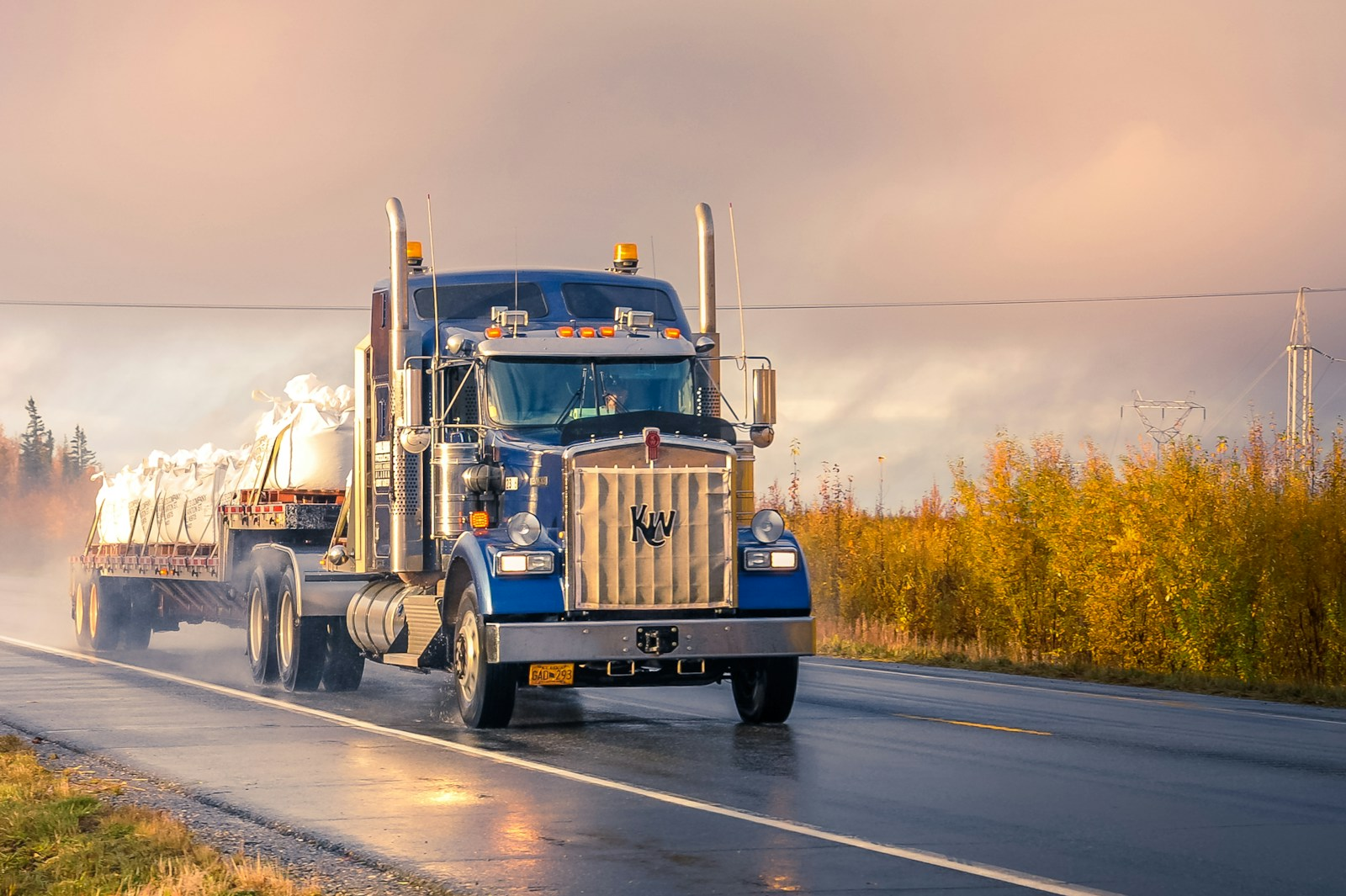
This baseline is worth keeping in mind throughout the rest of this guide, since the future of truck driving careers is fundamentally a story about a large, currently stable profession experiencing gradual technological change rather than sudden disruption across the board.
Why the Driver Shortage Keeps the Future of Truck Driving Careers Bright
The American Trucking Associations has tracked a persistent driver shortage for years, with earlier estimates projecting the gap could reach roughly 160,000 drivers by 2028 absent significant changes to hiring and retention. The organization has separately projected the industry needs to hire on the order of a million new drivers over a decade just to keep pace with retirements and growth.
The average over-the-road driver is around 46 years old, while new trainees average closer to 35, which points toward a wave of retirements arriving well before automation could plausibly fill the resulting gap.
High turnover at large truckload carriers, sometimes reported well above sixty percent annually in industry tracking, adds to this pressure and helps explain why demand for new drivers has stayed strong even as automation headlines suggest the opposite trend.
Where Electric Trucks Actually Stand Right Now
Electrification is real but uneven across the industry: Volvo’s VNR Electric has surpassed ten million customer miles in real fleet operation, and Freightliner’s eCascadia is already running in commercial fleet trials, while Tesla has targeted volume production of its long-delayed Semi at its Nevada factory, with PepsiCo running an early fleet out of California. Charging infrastructure, purchase cost, and range remain the most commonly cited barriers slowing broader adoption across the industry.
The regulatory picture has also shifted meaningfully: California’s Advanced Clean Fleets rule, which would have pushed fleets toward zero-emission trucks on a firm timeline, has moved toward repeal after the U.S. Senate voted to revoke the underlying Clean Air Act waivers, which means the regulatory push toward electrification is currently weaker than it appeared just a year or two ago.
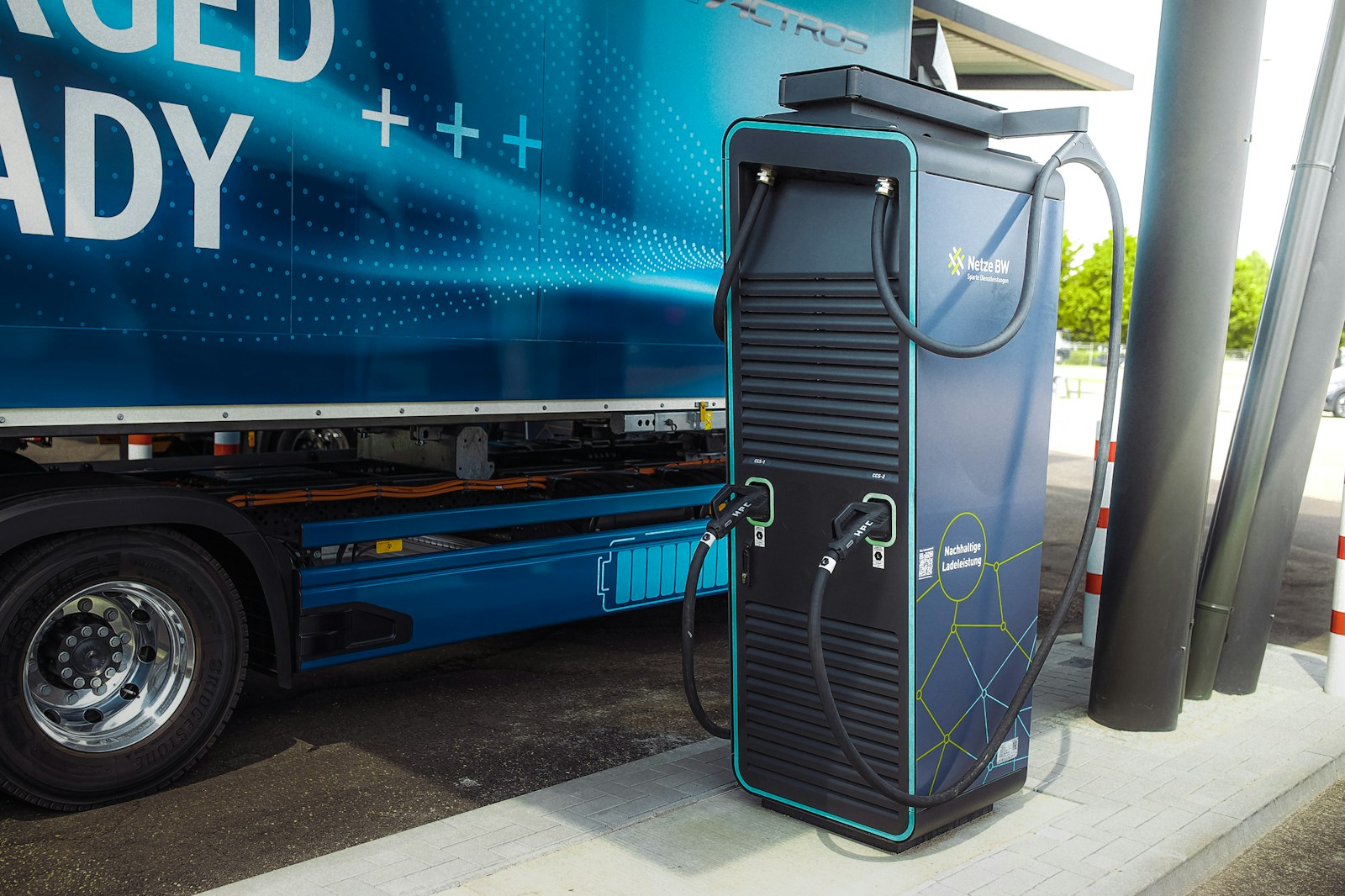
Anyone weighing the future of truck driving careers against the pace of electrification should treat this as a genuinely moving target, since both the technology and the regulations shaping its adoption have changed direction more than once in a short period of time.
How Far Autonomous Trucking Has Come, and What It Means for the Future of Truck Driving Careers
Aurora Innovation has moved past pilot testing into genuine driverless commercial freight operation, running multiple routes across the Sun Belt with its trucks surpassing hundreds of thousands of driverless miles and at least one customer committed to a large fleet of trucks. Kodiak Robotics has delivered customer-owned driverless trucks for off-road energy-sector work and separately runs autonomous freight lanes on public highways, representing a genuine, if still narrow, commercial foothold for the technology.
Despite these real milestones, independent labor research from UC Berkeley’s Labor Center estimates the realistically automatable segment of trucking at around 294,000 jobs concentrated in long-haul truckload and less-than-truckload freight, a small fraction of the roughly 2.2 million total driving jobs in the country, with local and urban driving automation described as several decades away rather than an imminent threat.
Why Most Driving Jobs Remain Automation-Resistant
Long-haul highway driving is the specific segment where automation technology has made real progress, but the job of trucking involves far more than steering down an interstate: coupling and uncoupling trailers, inspecting a vehicle before and after a run, navigating local streets and delivery docks, and interacting directly with customers and dock staff all remain tasks that current automation cannot reliably perform.
This distinction matters enormously for anyone evaluating the future of truck driving careers, since it separates the narrow slice of the industry genuinely at risk from the much larger share of driving jobs that will likely look similar for years to come.
Growth in e-commerce may even expand certain categories of driving work, particularly last-mile delivery and short-haul drayage between ports, rail yards, and distribution centers, even as long-haul automation slowly advances in parallel.
What the Future of Truck Driving Careers Means If You’re Considering This Path Today
Someone entering trucking today is stepping into a profession with strong near-term demand driven by an aging workforce and high turnover, work that automation is unlikely to meaningfully threaten for at least the next decade in the local, regional, and short-haul segments of the industry. Choosing a driving niche outside of pure long-haul interstate freight, such as regional routes, specialized hauling, or last-mile delivery work, offers additional insulation from whatever slice of long-haul automation does eventually scale up commercially.
- Consider regional or local routes. These are the segments least likely to be affected by long-haul highway automation.
- Ask carriers directly about their technology plans. A carrier’s actual electrification or autonomy roadmap tells you more than industry headlines do.
- Prioritize carriers with strong retention programs. High turnover means driver-friendly carriers often have better pay and home-time terms.
- Build skills beyond driving itself. Customer service, dock coordination, and vehicle inspection skills stay valuable regardless of automation progress.
Staying informed about which specific automation programs are actually running commercial freight, rather than reacting to every headline about a pilot program or a funding announcement, is the most reliable way to track how the future of truck driving careers is actually unfolding in real time.
How Electric and Autonomous Trucks Could Change Daily Work
Drivers working alongside early electric fleets report genuine fuel savings and a quieter, smoother ride, though route planning around charging infrastructure remains a real operational adjustment compared to a traditional diesel fill-up. Drivers on routes near active autonomous trucking corridors may increasingly work alongside driverless trucks rather than being replaced by them outright, particularly in the near term, since most current deployments still rely on human drivers for the local pickup and delivery legs that connect to a driverless highway segment.
Understanding these operational shifts now, rather than being caught off guard by them later, helps a driver or someone entering the field make informed decisions about which routes, carriers, and equipment types to pursue.
Common Misconceptions About Automation and Driving Jobs
- “Self-driving trucks are already replacing drivers.” Current driverless operations are limited to specific highway corridors, not the broader driving job market.
- “Electric trucks are now the industry standard.” Adoption remains limited by charging infrastructure, cost, and a recent pullback in regulatory pressure.
- “The driver shortage is a myth.” Multiple ATA reports and persistent high turnover at large carriers point to a real, ongoing shortage.
- “Local driving jobs are just as at-risk as long-haul jobs.” Independent research specifically identifies long-haul highway freight as the segment most exposed to automation.
Correcting these misconceptions early helps someone evaluate a trucking career realistically, rather than either dismissing the industry’s real technological changes or overestimating how quickly those changes will actually eliminate driving jobs.
How Carriers Are Actually Responding
Large carriers are pursuing electrification and autonomous partnerships selectively, often on specific high-volume corridors where the economics and infrastructure already make sense, rather than attempting a wholesale fleet transition all at once. Many carriers are simultaneously investing heavily in driver retention programs, home-time guarantees, and pay increases specifically because the driver shortage remains a more immediate business problem than automation is likely to become anytime soon.
This dual strategy, investing cautiously in new technology while competing hard for human drivers, is itself a strong signal about how carriers actually expect the future of truck driving careers to unfold over the coming years.
Skills Worth Building for Where the Industry Is Headed
Familiarity with electric vehicle systems and charging logistics is becoming a genuinely useful skill as more fleets add electric trucks, even for drivers who continue operating primarily diesel equipment day to day. Strong customer service and dock-interaction skills matter more, not less, as the routes most likely to remain fully human-driven are exactly the ones requiring this kind of judgment and interpersonal work.
Staying current on which specific companies and corridors are running real autonomous freight, rather than assuming the technology is either years away or already dominant, positions a driver to make smart decisions about where the future of truck driving careers is actually headed.
How Trucking Compares to Other Careers Facing Automation Discussion
Trucking is often mentioned alongside careers like customer service, data entry, and retail cashiering in broader conversations about automation, but the comparison holds up poorly once the actual technology is examined closely. Those roles face automation from software and self-service kiosks that already exist at scale today, while trucking automation depends on physical robotics operating safely in unpredictable outdoor environments alongside other vehicles and pedestrians, a substantially harder engineering problem that explains why progress has been slower and more geographically limited than in purely digital fields.
Recognizing this distinction helps put the future of truck driving careers in proper context: this is a profession facing a genuinely difficult automation challenge, not a straightforward software replacement, which is part of why experienced industry analysts continue projecting strong demand for human drivers well into the next decade.
What to Watch For Over the Next Few Years
Tracking a handful of specific developments gives a much clearer picture of where things are actually headed than following general automation news: whether Aurora Innovation and Kodiak Robotics expand beyond their current Sun Belt and energy-sector routes into broader commercial service, whether Tesla’s Nevada Semi factory actually reaches its targeted volume production, and whether any new federal or state regulation reshapes the incentives around electric truck adoption following the recent rollback of California’s rules.
Each of these developments will move the future of truck driving careers in a specific, measurable direction, which makes them far more useful to follow than speculative commentary about automation eliminating driving jobs broadly. Checking in on these specific benchmarks once or twice a year is generally enough to stay genuinely informed without getting swept up in either overly optimistic or overly alarmist industry narratives.
Frequently Asked Questions About the Future of Truck Driving Careers
Will self-driving trucks eliminate truck driving jobs?
Not in the near term for most drivers. Independent research estimates the realistically automatable segment at around 294,000 jobs concentrated in long-haul freight, a small fraction of the roughly 2.2 million total truck driving jobs nationwide, with local and urban driving automation still described as decades away.
Is now a bad time to start a trucking career because of automation?
Most evidence points the other direction. A persistent driver shortage, an aging workforce, and high industry turnover mean demand for new drivers remains strong, and the segments of the job most resistant to automation, including local and regional routes, are also the most common entry points for new drivers.
Are electric trucks actually being used commercially yet?
Yes, though adoption remains uneven. Volvo’s VNR Electric has surpassed ten million customer miles and Freightliner’s eCascadia is running in commercial fleets, while broader adoption is still limited by charging infrastructure, cost, and a recent rollback of regulatory pressure that had been pushing fleets toward electrification.
Which companies are running actual driverless trucks right now?
Aurora Innovation is running genuine driverless commercial freight across multiple Sun Belt routes, and Kodiak Robotics has delivered customer-owned driverless trucks for off-road energy work while also running autonomous highway freight lanes, making both companies worth watching for anyone tracking the future of truck driving careers.
What trucking niches are most insulated from automation?
Local delivery, regional routes, specialized hauling, and last-mile or drayage work all involve navigating complex local environments and direct customer interaction, tasks that remain well outside what current automation technology can reliably perform.
The Bottom Line
The future of truck driving careers is a story of narrow, real technological progress rather than sweeping disruption: electric trucks are entering fleets unevenly, driverless technology has achieved genuine but limited commercial milestones on specific highway corridors, and a persistent driver shortage keeps demand for new human drivers strong across nearly every other segment of the industry.
Paying attention to which specific companies, routes, and technologies are actually operating commercially, rather than reacting to speculative headlines, is the most reliable way to make a smart, informed decision about entering or staying in this career.
For most people considering trucking today, the practical reality is straightforward: strong near-term demand, a slow and uneven technology transition, and plenty of driving niches that are likely to look much the same a decade from now as they do today.
Anonymous and approximate. We store one number for this article and nothing about you.
Email digest
We also run a layoff tracker, built from company filings and official notices. A plain email summary of what changed on these trackers: headline numbers, the largest new entries, and links to the sources. You confirm your address by clicking a link we email you, and one click unsubscribes. Already subscribed? Use this form to change what you get. The boxes replace what you had.
Our mail provider records whether you open an email and which links you follow, including the confirmation email, which is measured before you have agreed to anything. Unsubscribing stops the sending and the recording together.
You can read every past edition first. Each one is kept permanently, exactly as it was sent.
Privacy note: what we store and how to erase it
What we store: your email address, the choices above, and timestamps (signed up, confirmed, last sent). Nothing else about you.
What our mail provider records: whether you opened an email and which links you followed, tied to your address. That is Brevo, the service that delivers these emails, and it works by adding a small invisible image and by routing links through its own address. We read it to see which sections people use. Unsubscribing stops the sending and the measuring at the same time, and erasing your row removes it from our side.
The confirmation email is measured too: the same invisible image is in the one message that asks your permission. If you open it, Brevo records that against your address before you have agreed to anything, and it records it even if you then never confirm. We would exempt that message if we could. Brevo offers no way to switch its measuring off for a single email, and the one setting that exists covers every email we send or none of them. If you would rather not be measured at all, do not open it. Nothing else is ever sent to an unconfirmed address, and the signup is deleted from our side after 30 days.
About the links: links in the digest pass through a counter on this site that adds 1 to a total for that link and sends you straight on. It records no identifier, no IP address and no browser details, so it counts how many times a link was followed and can never say who followed it.
What it is used for: sending you exactly the emails you ticked, nothing else. The address is never shared, sold, or used for any other purpose.
How to erase it: click the unsubscribe link in any email. That stops all sending immediately, and unsubscribed addresses, along with signups that were never confirmed, are hard-deleted automatically after 30 days. You can also ask via the contact page.