The many benefits of a nursing career go well beyond a stable paycheck: real federal data shows a median wage over $97,000, a projected shortfall of more than 100,000 nurses by 2038, and a profession Americans have rated the most trusted in the country for over two decades running.
This guide sets aside the step-by-step licensing process, already covered elsewhere, and focuses specifically on why the many benefits of a nursing career consistently rank it among the strongest career choices available: the pay, the demand, the variety, the mobility, and the less obvious financial and flexibility perks that come with it.
The Short Answer
The many benefits of a nursing career are backed by real government and workforce data, not just reputation: registered nurses earn a median of $97,550 a year according to the U.S. Bureau of Labor Statistics, the field is projected to add roughly 180,800 openings annually through 2035, and nurses have topped Gallup’s honesty and ethics poll for 22 consecutive years.
| Data Point | Figure |
|---|---|
| RN median annual pay (BLS) | $97,550 |
| Projected RN job growth, 2025-2035 (BLS) | 6% |
| Projected annual RN openings (BLS) | ~180,800 |
| National RN shortfall projected by 2038 (HRSA) | ~108,960 FTE |
| Consecutive years nurses rank most trusted profession (Gallup) | 22 |
| Nursing education debt covered by Nurse Corps Loan Repayment (HRSA) | up to 85% |
Job Security Is One of the Clearest Benefits of a Nursing Career
The U.S. Bureau of Labor Statistics projects registered nursing employment will grow 6 percent from 2025 to 2035, adding about 194,700 jobs to a workforce that already numbers 3.46 million, with roughly 180,800 openings expected every year once retirements and career changes are factored in. That combination, real growth plus heavy replacement demand, is what actually drives the job security behind the many benefits of a nursing career, more than growth alone would.

The demand picture gets sharper at the state and regional level. A December 2025 projection from HRSA’s National Center for Health Workforce Analysis estimates a national shortfall of about 108,960 full-time-equivalent registered nurses by 2038, with nonmetro areas facing an 11 percent shortage rate compared to just 2 percent in metro areas. For nurses willing to work outside a major city, that gap often translates directly into faster job offers and stronger relocation incentives.
The Pay Behind the Many Benefits of a Nursing Career Compared to Other Fields
Registered nursing pay is solid on its own, and it opens onto meaningfully higher compensation with specialization. The same BLS data puts the RN median at $97,550 annually, while advanced practice roles, nurse practitioners, nurse anesthetists, and nurse midwives combined, carry a median of $134,920, with nurse anesthetists alone reaching a median of $236,590. Nurse practitioner roles specifically are projected to grow 41 percent from 2025 to 2035, among the fastest growth rates BLS tracks for any occupation.
That pay ladder matters for anyone weighing the many benefits of a nursing career against other fields: the entry point is already competitive, and the ceiling keeps rising for nurses who pursue further specialization rather than requiring a completely different career path to earn more.
A Genuine Variety of Specialties and Work Settings
One of the more underrated benefits of a nursing career is how little “being a nurse” actually locks you into one type of work. BLS work-environment data shows registered nurses split across hospitals (59 percent), ambulatory care settings like outpatient clinics and home healthcare (19 percent), nursing and residential care facilities (6 percent), government roles (5 percent), and educational settings (3 percent), with the remainder spread across other environments entirely.
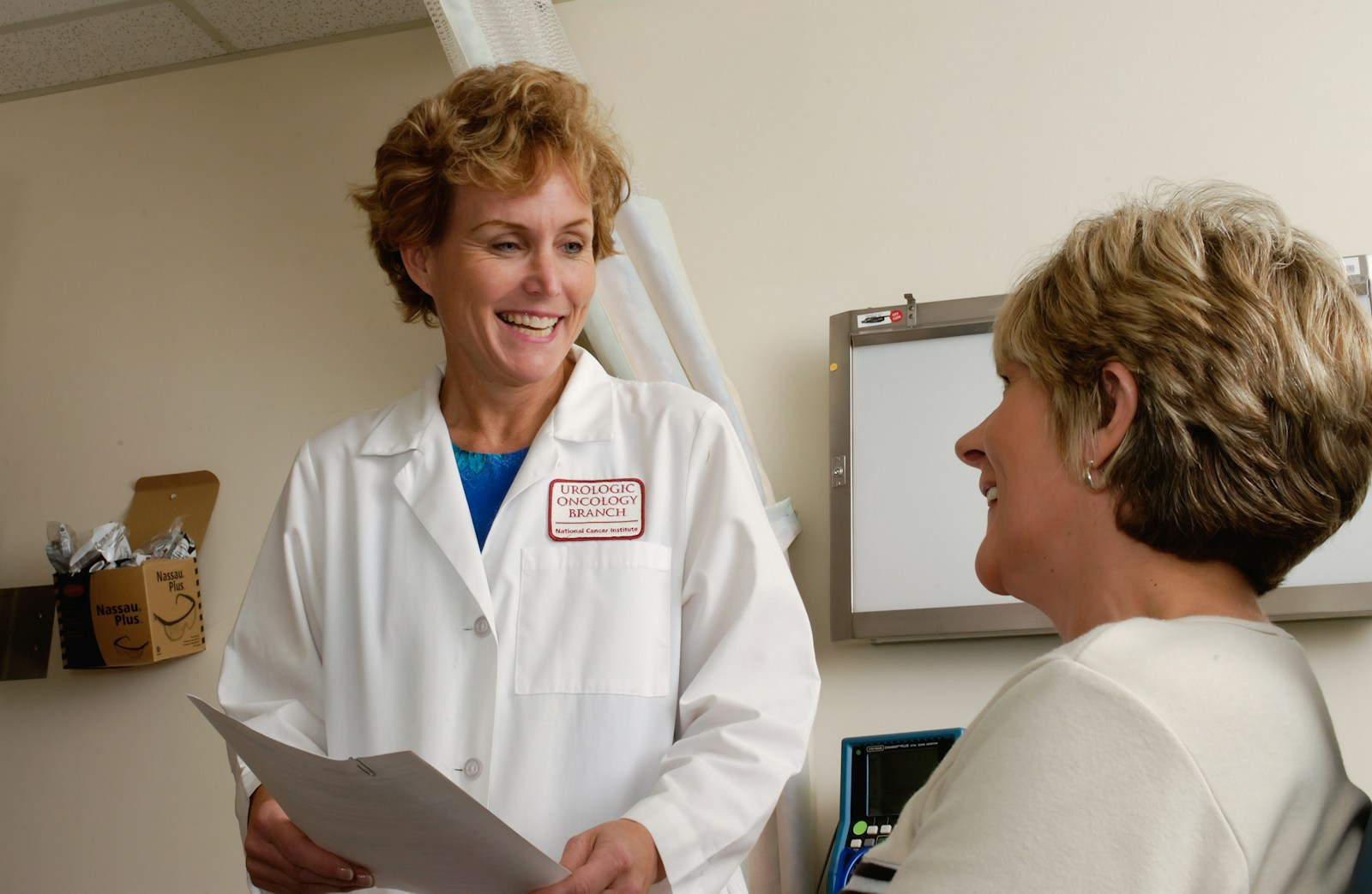
On top of setting variety, the American Nurses Credentialing Center alone offers 17 distinct board certification specialties, from cardiac-vascular and gerontological nursing to informatics, case management, and psychiatric-mental health nursing, held by more than a quarter million nurses nationally. Other certifying bodies add still more options on top of that, meaning the many benefits of a nursing career include a genuinely wide menu of day-to-day work, not a single fixed job description.
- Hospital and acute care remains the largest single setting, but it is one option among many rather than the only path into the field.
- Outpatient and home-based care accounts for nearly a fifth of all RN roles, offering a different pace and patient relationship than hospital shifts.
- Specialty certifications span cardiac, oncology, informatics, case management, and psychiatric-mental health nursing, among many others.
- Education and government roles give experienced nurses a path out of direct patient care entirely while staying in the profession.
Real Career Mobility Behind the Many Benefits of a Nursing Career
The many benefits of a nursing career extend to a clearly mapped advancement ladder rather than a vague promise of “growth.” According to the American Association of Colleges of Nursing, 17.4 percent of RNs already hold a master’s degree and 2.7 percent hold a doctorate, reflecting a well-worn path from an associate or bachelor’s degree toward advanced practice, nurse education, or nursing leadership roles.
Combined advanced practice roles are projected to grow more than 35 percent, adding tens of thousands of new positions a year, which means the mobility built into nursing is not just theoretical. Nurses who want to move from bedside care into a nurse practitioner role, a nurse anesthetist track, teaching, or administration have a documented, well-populated path to do it.
Trust and Meaning as Real, Measurable Benefits
Not every benefit of a nursing career shows up in a paycheck. Gallup’s annual honesty and ethics poll found 78 percent of U.S. adults rate nurses’ honesty and ethical standards as “very high” or “high,” placing nurses first among all professions measured for the 22nd consecutive year, ahead of veterinarians, engineers, and dentists.
That reputation is not disconnected from how nurses themselves feel about the work. A 2025 AMN Healthcare survey of more than 12,000 registered nurses found 77 percent would stay in nursing longer given the right opportunities, even though the same survey is honest about real strain in the profession, including burnout reported by a majority of respondents.
A fair look at the many benefits of a nursing career has to hold both of those findings at once: strong underlying commitment to the work, alongside real working conditions that still need improvement. Treating trust and meaning as one of the many benefits of a nursing career does not mean pretending the job is easy, it means recognizing that the underlying pull of the work has held up for decades even as conditions fluctuate.
Financial Benefits Most People Overlook
Nursing carries financial upside beyond salary that many people considering the field never factor in. The HRSA Nurse Corps Loan Repayment Program covers up to 85 percent of unpaid nursing education debt for RNs and advanced practice nurses who commit to two years of full-time work at a designated critical shortage facility, with an optional third year covering an additional 25 percent.
Related federal programs extend the same logic further: a faculty loan repayment track offers up to $40,000 for nurse educators from underrepresented backgrounds, and select nurse practitioner roles can qualify for up to $75,000 in primary-care loan repayment through separate federal programs. Few other career paths pair a strong median salary with this level of direct federal debt relief tied specifically to workforce shortage areas.
Flexibility as an Underrated Part of the Many Benefits of a Nursing Career
- Compressed schedules are the norm, not the exception. Full-time hospital RNs commonly work three 12-hour shifts a week rather than a standard five-day schedule.
- Part-time and PRN arrangements are widely used. Hospital staffing reports confirm flexing part-time and per-diem nurses is a standard operational strategy, not a rare accommodation.
- Travel nursing remains a real, if cooling, option. It offers higher short-term pay and location flexibility, even as post-pandemic demand for travel contracts has moderated.
- Shift variety supports different life stages. Night, weekend, and rotating shift options make it easier to fit nursing work around school, caregiving, or a second income stream.
The same AMN Healthcare survey found 81 percent of nurses say flexible scheduling would directly improve their working conditions, underscoring how much the field’s built-in flexibility, compressed shift patterns, part-time and PRN arrangements, and travel assignments, already matters to the people doing the work. A 2026 staffing report from NSI Nursing Solutions, based on 527 acute-care hospitals, confirms that flexing part-time and per-diem staff is a standard, widely used strategy across hospital systems, not a rare exception.
Common Misconceptions About the Many Benefits of a Nursing Career
A common misconception is that nursing offers only one type of job, essentially bedside hospital care. Real BLS and certification data shows nurses spread across hospitals, outpatient clinics, home healthcare, schools, government roles, and dozens of certified specialties, with genuinely different day-to-day work in each setting.
Another misconception treats nursing pay as capped early in a career. Advanced practice data shows meaningfully higher compensation available through further specialization, one of the many benefits of a nursing career that compounds rather than flattens out over time, with nurse anesthetists alone reaching a median well above $230,000, and nurse practitioner roles among the fastest-growing in the entire BLS occupational outlook.
A third misconception assumes the profession’s challenges, like reported burnout, cancel out its benefits entirely. The same workforce surveys that document real strain also show a strong majority of nurses would stay in the field given better conditions, suggesting the underlying pull of the work itself remains genuinely strong even where working conditions still need improvement.
How This Differs From a Guide on Becoming a Nurse
Readers who have already decided nursing is the right move and want the concrete steps, degree pathways, and NCLEX licensing details will find that covered separately in this related guide to becoming a nurse. The many benefits of a nursing career, as covered in this guide, is specifically about the case for choosing the field in the first place, not the tactical process of getting licensed once you have decided.
The Bottom Line
The many benefits of a nursing career hold up against real data, not just professional pride: strong median pay with a clear path to significantly more through specialization, a documented national shortage that translates directly into job security, a genuinely wide range of specialties and work settings, real federal loan-repayment support tied to workforce shortage areas, and a level of public trust no other profession has matched in over two decades of Gallup polling.
For anyone weighing nursing against other career paths, the practical takeaway is that the pay and demand numbers alone already make a strong case, and the added flexibility, mobility, and financial support programs make the full picture considerably stronger than a single salary figure suggests.
Frequently Asked Questions About the Many Benefits of a Nursing Career
Is nursing actually a secure career choice long-term?
Yes. Federal projections show registered nursing employment growing 6 percent through 2035 with about 180,800 annual openings, plus a documented national shortfall projected at nearly 109,000 full-time-equivalent nurses by 2038, both pointing toward strong, sustained demand.
How much more can a nurse earn through specialization?
Meaningfully more. While registered nurses earn a median of $97,550, advanced practice roles combined carry a median of $134,920, and nurse anesthetists specifically reach a median of $236,590, according to BLS data.
Do nurses actually have loan forgiveness options?
Yes. The HRSA Nurse Corps Loan Repayment Program covers up to 85 percent of unpaid nursing education debt in exchange for two years of service at a designated critical shortage facility, with additional federal programs available for nurse faculty and certain primary-care roles.
Is nursing really as flexible as people say?
Survey data suggests real, if incomplete, flexibility: 81 percent of nurses say flexible scheduling would improve their working conditions, and hospital staffing reports confirm part-time and per-diem arrangements are a standard, widely used option across the field.
How does this differ from a guide on how to become a nurse?
This guide focuses on the research-backed case for choosing nursing as a career, pay, demand, variety, and benefits, while a separate guide covers the practical steps, degree pathways, and licensing exam involved in actually becoming one.
Anonymous and approximate. We store one number for this article and nothing about you.
Email digest
We also run a layoff tracker, built from company filings and official notices. A plain email summary of what changed on these trackers: headline numbers, the largest new entries, and links to the sources. You confirm your address by clicking a link we email you, and one click unsubscribes. Already subscribed? Use this form to change what you get. The boxes replace what you had.
Our mail provider records whether you open an email and which links you follow, including the confirmation email, which is measured before you have agreed to anything. Unsubscribing stops the sending and the recording together.
You can read every past edition first. Each one is kept permanently, exactly as it was sent.
Privacy note: what we store and how to erase it
What we store: your email address, the choices above, and timestamps (signed up, confirmed, last sent). Nothing else about you.
What our mail provider records: whether you opened an email and which links you followed, tied to your address. That is Brevo, the service that delivers these emails, and it works by adding a small invisible image and by routing links through its own address. We read it to see which sections people use. Unsubscribing stops the sending and the measuring at the same time, and erasing your row removes it from our side.
The confirmation email is measured too: the same invisible image is in the one message that asks your permission. If you open it, Brevo records that against your address before you have agreed to anything, and it records it even if you then never confirm. We would exempt that message if we could. Brevo offers no way to switch its measuring off for a single email, and the one setting that exists covers every email we send or none of them. If you would rather not be measured at all, do not open it. Nothing else is ever sent to an unconfirmed address, and the signup is deleted from our side after 30 days.
About the links: links in the digest pass through a counter on this site that adds 1 to a total for that link and sends you straight on. It records no identifier, no IP address and no browser details, so it counts how many times a link was followed and can never say who followed it.
What it is used for: sending you exactly the emails you ticked, nothing else. The address is never shared, sold, or used for any other purpose.
How to erase it: click the unsubscribe link in any email. That stops all sending immediately, and unsubscribed addresses, along with signups that were never confirmed, are hard-deleted automatically after 30 days. You can also ask via the contact page.