The lost art of resume thank you letters shows up in one blunt statistic: only 24 percent of job applicants send a thank-you note today, down from 51 percent less than two decades ago, even though most hiring managers say the gesture still factors into their decisions.
This guide looks at what actually happened to a practice that used to be considered mandatory, what real surveys say about whether it still matters, and how a thank-you note tied to a resume or application differs from the post-interview thank-you email most career advice already covers.
The Short Answer
The lost art of resume thank you letters is a real, measurable decline rather than a vague impression: a Robert Half/Accountemps survey of HR managers found only 24 percent of candidates send a thank-you note today, down from 51 percent in 2007, even though 80 percent of HR managers say thank-you messages factor into their hiring decisions.
| Data Point | Figure |
|---|---|
| Candidates who sent a thank-you note, 2007 (Robert Half/Accountemps) | 51% |
| Candidates who sent a thank-you note, 2017 (Robert Half/Accountemps) | 24% |
| HR managers who factor thank-you notes into hiring decisions | 80% |
| Recruiters who say a thank-you note affects their decision (TopResume) | 68% |
| Decline in US First-Class Mail volume, 2008-2023 (USPS OIG) | 50% |
The Origins Behind the Lost Art of Resume Thank You Letters
The instinct to pair gratitude with a request for opportunity is old enough that Fast Company traced it back to a Roman soldier’s letter written around 100 AD, thanking a governor while angling for a transfer. It reads like the oldest surviving version of the lost art of resume thank you letters in spirit, if not in exact form.
Letter-writing etiquette became far more codified by the 19th century, when guides like J. Willis Westlake’s 1876 “How To Write Letters” treated correspondence, thank-you notes included, as governed by strict social rules about paper, tone, and timing. That era is a useful baseline for understanding just how far the lost art of resume thank you letters has drifted from being a strictly enforced social expectation.
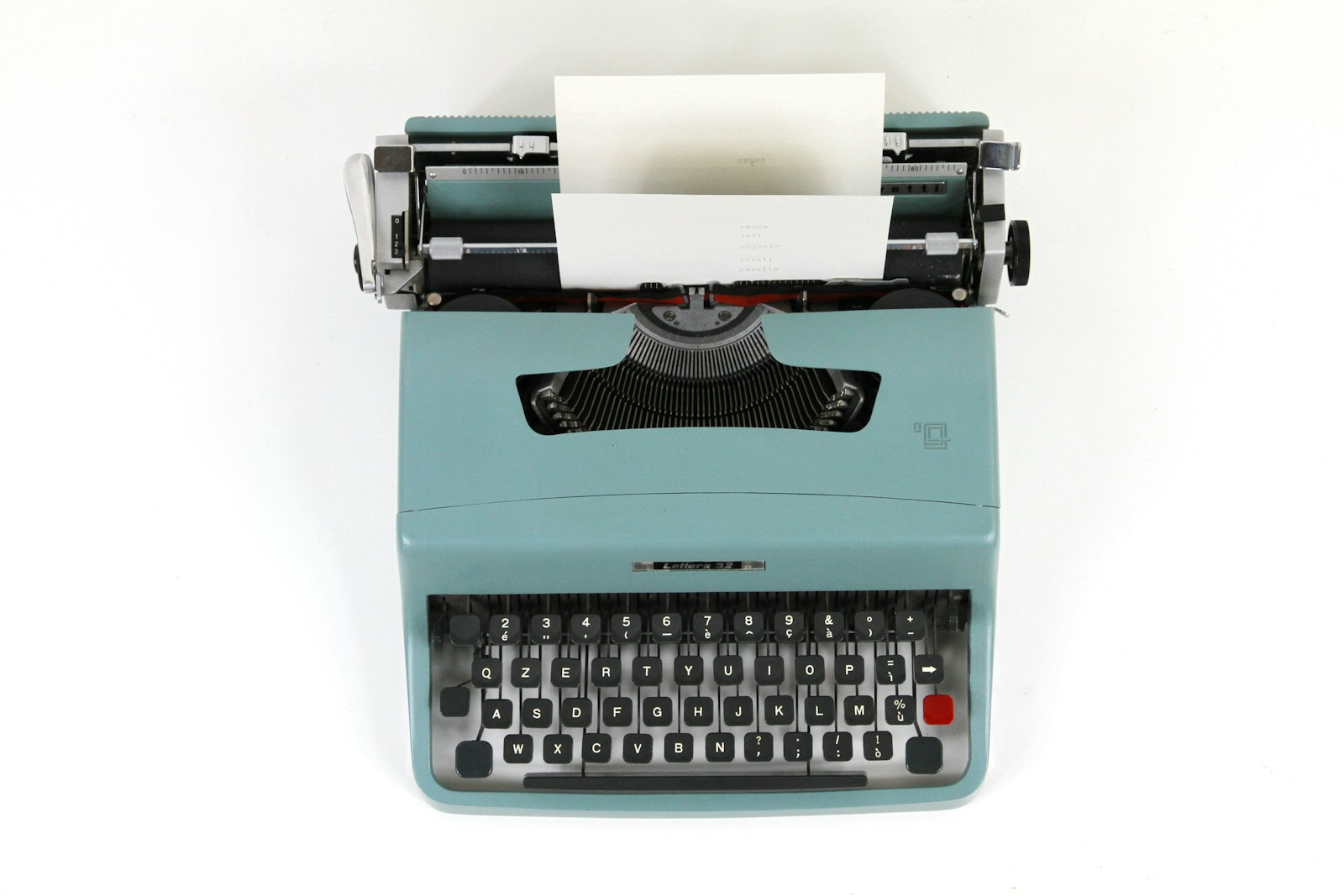
By the time formal job searching became a widespread professional norm in the 20th century, a handwritten thank-you note after an interview was not an optional nicety. It was closer to a requirement, and that expectation persisted for decades before email quietly took over as the default medium.
The Documented Decline Behind the Lost Art of Resume Thank You Letters
Career expert Lindsey Pollak offers a rare, dated record of the etiquette rule actually shifting in real time. Her 2007 edition of a career-advice book required a handwritten thank-you note after a formal interview. By her 2012 revised edition, she had changed that guidance to say email was now completely appropriate, and tightened the expected response window to within 12 hours.
That same decade shows up in harder numbers. The Robert Half/Accountemps survey cited above found that thank-you-note senders dropped from 51 percent of candidates in 2007 to just 24 percent in 2017, a genuine decade-long, apples-to-apples decline rather than a one-off snapshot. The same survey found HR managers rated email at 94 percent and a handwritten note at 86 percent as still-appropriate follow-up methods, meaning the decline cannot be explained away as candidates simply switching formats.
Why Fewer Job Seekers Bother With the Lost Art of Resume Thank You Letters
Part of the explanation is cultural rather than career-specific. U.S. Postal Service data shows First-Class Mail volume fell 50 percent between 2008 and 2023, from 92 billion pieces to 46 billion, a decline the agency’s own inspector general attributes directly to email, texting, and social media replacing personal correspondence generally. The lost art of resume thank you letters is really one visible symptom of a much larger shift away from written correspondence of any kind.
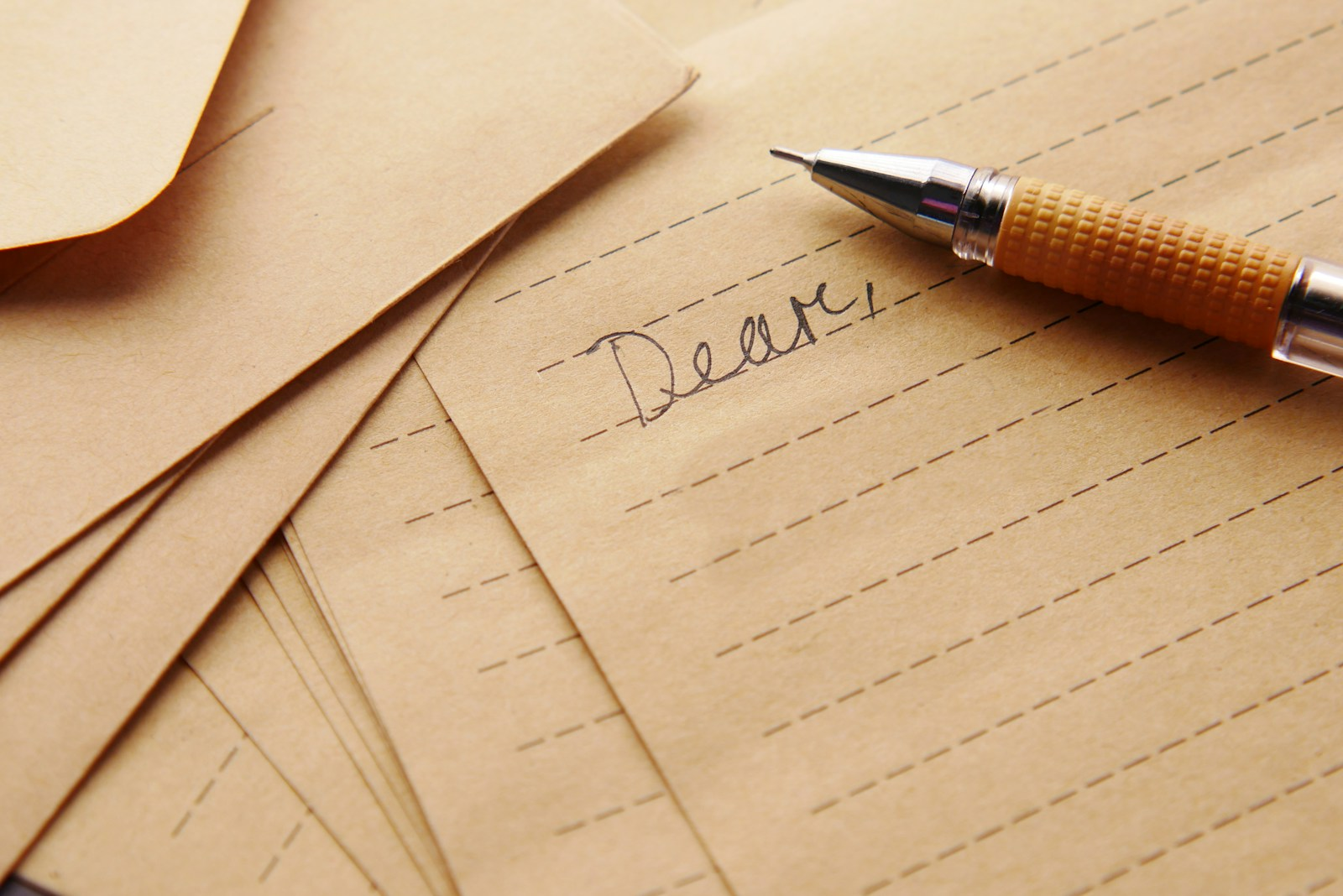
Psychological research adds a second, more personal explanation. Psychologist Amit Kumar’s work, cited by Fast Company, found people consistently avoid writing gratitude letters because they overestimate how awkward the letter will feel to write, even though recipients reliably value these notes more than the writer expects.
That gap between perceived and actual value may explain why so many job seekers skip a step that, according to every major survey on the subject, actually helps them.
Do Hiring Managers Still Care About the Lost Art of Resume Thank You Letters?
The data says mostly yes, with real weight behind it. A CareerBuilder survey of nearly 2,900 hiring managers found 22 percent are less likely to hire a candidate who skips the thank-you note entirely, with 86 percent of those managers saying it signals a lack of follow-through.
Separately, a TopResume survey of 358 recruiters and hiring managers found 68 percent say a thank-you note genuinely affects their decision-making, and 16 percent have completely dismissed a candidate specifically for failing to send one.
- Specificity is what hiring managers actually reward. A note referencing a real detail from the conversation is what distinguishes it from a generic, ignorable message.
- Skipping it entirely carries real, documented risk. Roughly one in five hiring managers say it makes them less likely to hire a candidate outright.
- Being dismissed for silence is not rare. A meaningful share of recruiters have completely ruled out a candidate specifically for not sending one.
- The bar for sending one at all is now low. With only about a quarter of candidates bothering, simply sending a thoughtful note is itself a differentiator.
The Honest Caveat: This Data Is Getting Old
A fair treatment of the lost art of resume thank you letters has to acknowledge a real limitation in the evidence: the most-cited statistics, the CareerBuilder survey and the Robert Half/Accountemps survey, are now roughly 8 to 15 years old, and no major staffing or recruiting firm appears to have re-run a comparable national survey recently.
A December 2025 expert roundup on this exact question, published by the executive search firm Good Insight, found real disagreement among current search consultants, ranging from “they don’t matter” to recruiters who say a memorable, personalized note left a lasting impression years later. Business Insider even ran a December 2025 feature describing thank-you notes as a live, ongoing debate rather than a settled question, particularly among younger job seekers who increasingly call the practice old-fashioned.
Resume-Stage Thank You vs. Interview-Stage Thank You: A Real Etiquette Difference
The lost art of resume thank you letters actually covers two genuinely different moments in a job search, and treating them as identical is a common mistake. A thank-you tied to a resume or application submission is, in modern practice, almost never a standalone letter. It shows up as a closing line inside the cover letter itself, something like a brief “thank you for considering my application,” functioning as polite sign-off language rather than a distinct piece of correspondence.
The post-interview thank-you, by contrast, is treated by every etiquette and staffing source as its own separate, time-sensitive communication: sent within 24 hours according to Robert Half’s guidance, or within 12 hours under Lindsey Pollak’s tightened modern rule, addressed individually to each interviewer rather than as one group email. The resume-stage version is low-stakes and largely unnoticed when done well; the interview-stage version is the one every major survey behind the lost art of resume thank you letters actually measured.
Is Reviving the Lost Art of Resume Thank You Letters Worth It in 2026?
Etiquette authorities and workplace experts genuinely disagree on the medium, even where they agree on the underlying instinct. The Emily Post Institute argues directly that “there is simply nothing as personal as a handwritten note,” and frames pulling out pen and paper as a deliberate way to stand out in an increasingly informal digital world.
Lindsey Pollak takes the opposite position on format while agreeing on substance, prioritizing a fast 12-hour email over a slower handwritten note, because she considers speed more valuable than formality once a hiring decision is already moving quickly. Either way, reviving some version of the lost art of resume thank you letters, rather than skipping the gesture entirely, is where these experts actually agree.
- Send it within 24 hours, and ideally within 12. Modern etiquette experts have tightened the expected response window as email replaced mail.
- Write to each interviewer individually. A single group email reads as an afterthought rather than genuine engagement with each conversation.
- Reference one specific detail from the conversation. Generic thank-you messages are what expert sources warn against, not the practice itself.
- Reserve a handwritten note for genuinely high-stakes moments. Etiquette authorities argue it still carries unmatched personal weight, but speed matters more in most ordinary cases.
Common Misconceptions About the Lost Art of Resume Thank You Letters
A common misconception is that a thank-you note only matters if it is handwritten and mailed. The actual survey data shows the opposite: HR managers in the Robert Half/Accountemps survey rated email as the more acceptable format overall, at 94 percent versus 86 percent for a handwritten note, meaning promptness now generally outweighs formality.
Another misconception treats the resume-submission thank-you and the post-interview thank-you as the same practice with the same stakes. As the etiquette-difference section above shows, only the interview-stage version is treated as a distinct, individually researched piece of correspondence by hiring managers, while the resume-stage version is simply a courtesy line inside a cover letter.
A third misconception assumes this is settled, one-sided advice with no real disagreement among experts. The 2025 practitioner roundup and the ongoing public debate described above show genuine, current disagreement about whether the practice still earns its place in a modern job search, even as the older survey data continues to support sending one.
The Bottom Line
The lost art of resume thank you letters reflects a real, well-documented decline: sending rates fell from roughly half of candidates in 2007 to about a quarter by 2017, even as a strong majority of hiring managers on record say the gesture still factors into their decisions and that skipping it can read as a lack of follow-through.
The underlying data is aging and current expert opinion is genuinely split on format and necessity, but the core research-backed takeaway has not changed: a specific, promptly sent thank-you costs a job seeker almost nothing and, according to every major survey on the subject, only helps. For anyone deciding whether to revive this habit, the practical takeaway is to treat format as a secondary question and specificity and promptness as the two things that actually matter.
How This Differs From a Practical Post-Interview Thank You Email Guide
Readers looking for a step-by-step template for the specific email to send after an interview, including subject lines, timing, and exact wording, will find that covered separately in this related guide to writing a thank you email after an interview. The lost art of resume thank you letters, as covered in this guide, is specifically about the history, etiquette, and research behind whether and why thank-you notes still matter at all, not a tactical script for writing any single message.
Frequently Asked Questions About the Lost Art of Resume Thank You Letters
Do hiring managers actually still expect a thank-you note?
Survey data says most do factor it in: 80 percent of HR managers in the Robert Half/Accountemps survey said thank-you messages influence hiring decisions, and 68 percent of recruiters in a separate TopResume survey said the same, though current expert opinion on how much it matters is more mixed than it was a decade ago.
Is it better to send a handwritten note or an email?
HR managers rate both as acceptable, with email actually rated slightly higher at 94 percent versus 86 percent for a handwritten note, so promptness generally matters more than format, though etiquette authorities like the Emily Post Institute still argue a handwritten note carries unmatched personal weight for high-stakes situations.
How many job seekers actually send a thank-you note today?
Only about 24 percent, according to the Robert Half/Accountemps survey, down sharply from 51 percent in 2007, making it one of the more measurable declines in job-search etiquette over the past two decades.
Is a resume-stage thank you the same as a post-interview thank you?
No. A resume-stage thank you is typically just a courtesy line inside a cover letter, while a post-interview thank you is treated as its own individually written, time-sensitive piece of correspondence by hiring managers and etiquette experts alike.
Can sending a thank-you note actually cost you a job opportunity?
There is no real evidence it hurts, but the note has to be specific and professional. Generic, mass-sent, or over-selling thank-you messages are the versions expert sources warn against, not the practice of sending a thoughtful one at all.
Anonymous and approximate. We store one number for this article and nothing about you.
Email digest
We also run a layoff tracker, built from company filings and official notices. A plain email summary of what changed on these trackers: headline numbers, the largest new entries, and links to the sources. You confirm your address by clicking a link we email you, and one click unsubscribes. Already subscribed? Use this form to change what you get. The boxes replace what you had.
Our mail provider records whether you open an email and which links you follow, including the confirmation email, which is measured before you have agreed to anything. Unsubscribing stops the sending and the recording together.
You can read every past edition first. Each one is kept permanently, exactly as it was sent.
Privacy note: what we store and how to erase it
What we store: your email address, the choices above, and timestamps (signed up, confirmed, last sent). Nothing else about you.
What our mail provider records: whether you opened an email and which links you followed, tied to your address. That is Brevo, the service that delivers these emails, and it works by adding a small invisible image and by routing links through its own address. We read it to see which sections people use. Unsubscribing stops the sending and the measuring at the same time, and erasing your row removes it from our side.
The confirmation email is measured too: the same invisible image is in the one message that asks your permission. If you open it, Brevo records that against your address before you have agreed to anything, and it records it even if you then never confirm. We would exempt that message if we could. Brevo offers no way to switch its measuring off for a single email, and the one setting that exists covers every email we send or none of them. If you would rather not be measured at all, do not open it. Nothing else is ever sent to an unconfirmed address, and the signup is deleted from our side after 30 days.
About the links: links in the digest pass through a counter on this site that adds 1 to a total for that link and sends you straight on. It records no identifier, no IP address and no browser details, so it counts how many times a link was followed and can never say who followed it.
What it is used for: sending you exactly the emails you ticked, nothing else. The address is never shared, sold, or used for any other purpose.
How to erase it: click the unsubscribe link in any email. That stops all sending immediately, and unsubscribed addresses, along with signups that were never confirmed, are hard-deleted automatically after 30 days. You can also ask via the contact page.