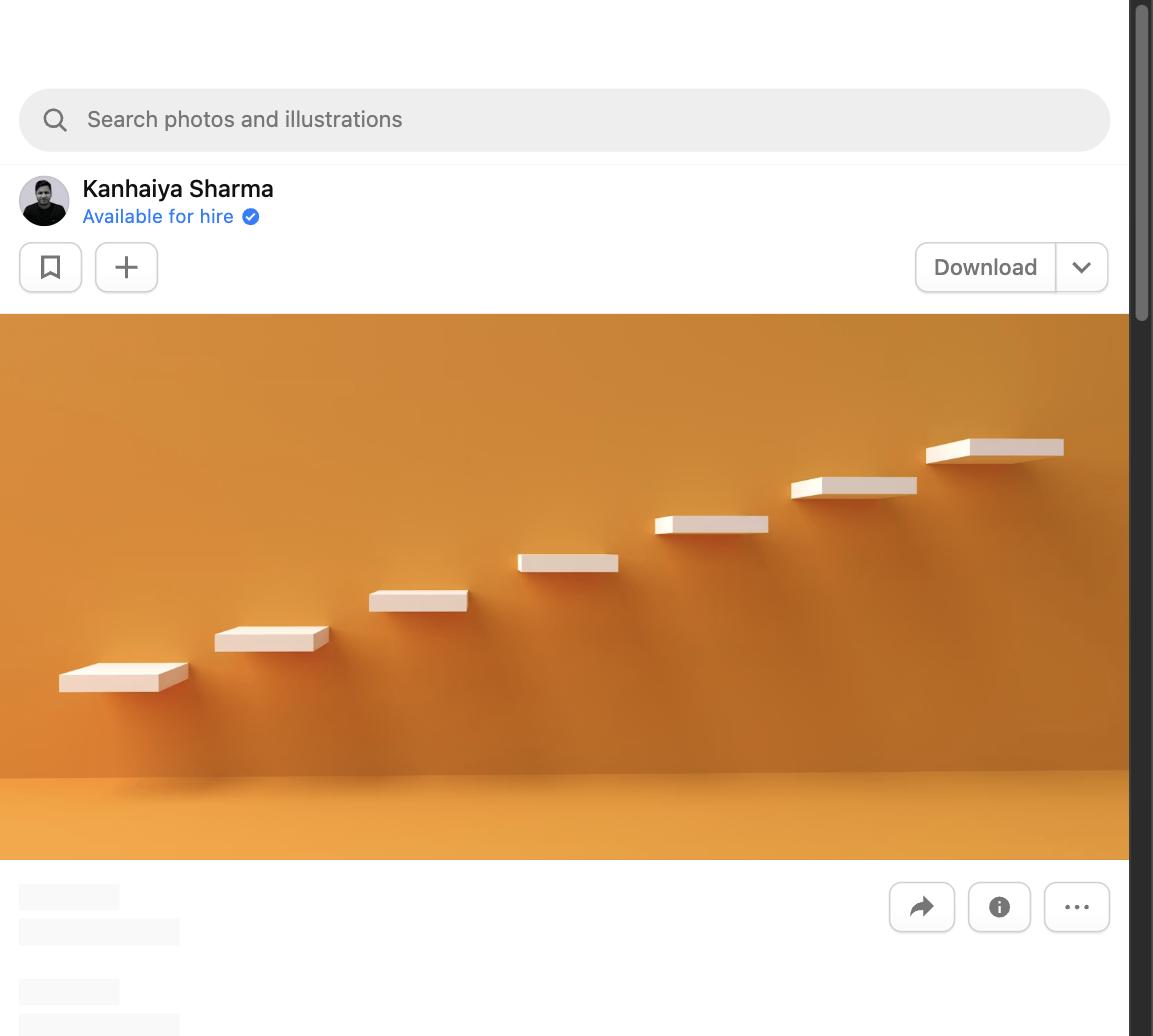
A twelve-month timeline for a promotion requires a specific plan, not just general effort.
Months 1 to 3: align on criteria
Have a direct conversation with your manager about what the next level requires. Get specific criteria if possible. Document them. This conversation should happen in the first month if you are serious about a twelve-month timeline.
Months 4 to 8: demonstrate above-level work
Actively seek opportunities to do next-level work. Lead projects, take initiative, build cross-functional relationships. Make sure your manager sees this work directly rather than just seeing the output.
Month 8: check in on your progress
Return to your manager for an explicit conversation about your progress toward promotion criteria. You want to know before month 12 whether you are on track or whether there are gaps to close. For more on this, see our guide on ask for a promotion.
Months 9 to 12: build the case
Ensure that key stakeholders beyond your direct manager are aware of your contributions. Prepare your promotion case documentation. Schedule the formal promotion conversation with appropriate lead time.
Read next
- How to Handle Being Passed Over for a Promotion
- How to Write a Cover Letter for a Promotion That Actually Works
- How to Work With a Recruiter to Find Your Next Job
Frequently Asked Questions
How long does a recruiter spend looking at a resume?
Recruiters typically spend 6-10 seconds on an initial scan. They look for job title relevance, company names, and whether the most recent role is at the right level for the position.
What do recruiters look for first on a resume?
Most recruiters look first at your most recent job title and company, then check dates for gaps or progression, then assess whether the experience level matches what they need.
Should I include a summary at the top of my resume?
Yes, for experienced candidates. A 2-3 sentence summary that speaks directly to your target role helps recruiters understand your value instantly.
How many bullet points should each job have?
3-5 bullets for recent roles, 1-2 for older ones. Each bullet should describe an accomplishment or outcome, not just a task or responsibility.
Career growth rarely happens because someone notices you are doing good work. It happens because someone with decision-making power knows you are doing good work and believes you are ready for the next level. That distinction matters because it shifts your responsibility from simply performing well to actively managing your visibility. Waiting to be discovered is a passive strategy in a world where promotions and opportunities go to people who have made their ambitions clear.
One of the most underrated career development moves is building relationships with people two or three levels above you in your organization. Not to climb over your manager, but to understand what skills and decisions matter at the next level before you need them. Professionals who think like their future role before they have it tend to be promoted into it faster than those who are still optimizing for their current responsibilities. For more on this, see our guide on ask for a promotion and actually get one.
Feedback is another underused tool. Most professionals receive formal feedback once or twice a year during performance reviews. The professionals who grow fastest seek informal feedback constantly. A simple “what would have made that presentation land better?” after a meeting, or “what would help me be more effective in my role?” in a one-on-one, generates the specific, actionable input that helps you improve month by month rather than year by year.
External visibility matters as much as internal reputation. Writing a LinkedIn post about a lesson you learned on a project, speaking at an industry event, or contributing to a professional association puts your expertise in front of people who are not in your direct line of management. That outside signal often validates and amplifies your internal reputation in ways that purely internal effort cannot. For more on this, see our guide on find your next career move within your current company.
Get your free resume review
At AskTheRecruiter.com, a real recruiter reviews your resume and gives you honest, specific feedback. No AI, no templates, just a straight read from someone who knows what hiring managers want to see.
Anonymous and approximate. We store one number for this article and nothing about you.
Email digest
We also run a layoff tracker, built from company filings and official notices. A plain email summary of what changed on these trackers: headline numbers, the largest new entries, and links to the sources. You confirm your address by clicking a link we email you, and one click unsubscribes. Already subscribed? Use this form to change what you get. The boxes replace what you had.
Our mail provider records whether you open an email and which links you follow, including the confirmation email, which is measured before you have agreed to anything. Unsubscribing stops the sending and the recording together.
You can read every past edition first. Each one is kept permanently, exactly as it was sent.
Privacy note: what we store and how to erase it
What we store: your email address, the choices above, and timestamps (signed up, confirmed, last sent). Nothing else about you.
What our mail provider records: whether you opened an email and which links you followed, tied to your address. That is Brevo, the service that delivers these emails, and it works by adding a small invisible image and by routing links through its own address. We read it to see which sections people use. Unsubscribing stops the sending and the measuring at the same time, and erasing your row removes it from our side.
The confirmation email is measured too: the same invisible image is in the one message that asks your permission. If you open it, Brevo records that against your address before you have agreed to anything, and it records it even if you then never confirm. We would exempt that message if we could. Brevo offers no way to switch its measuring off for a single email, and the one setting that exists covers every email we send or none of them. If you would rather not be measured at all, do not open it. Nothing else is ever sent to an unconfirmed address, and the signup is deleted from our side after 30 days.
About the links: links in the digest pass through a counter on this site that adds 1 to a total for that link and sends you straight on. It records no identifier, no IP address and no browser details, so it counts how many times a link was followed and can never say who followed it.
What it is used for: sending you exactly the emails you ticked, nothing else. The address is never shared, sold, or used for any other purpose.
How to erase it: click the unsubscribe link in any email. That stops all sending immediately, and unsubscribed addresses, along with signups that were never confirmed, are hard-deleted automatically after 30 days. You can also ask via the contact page.