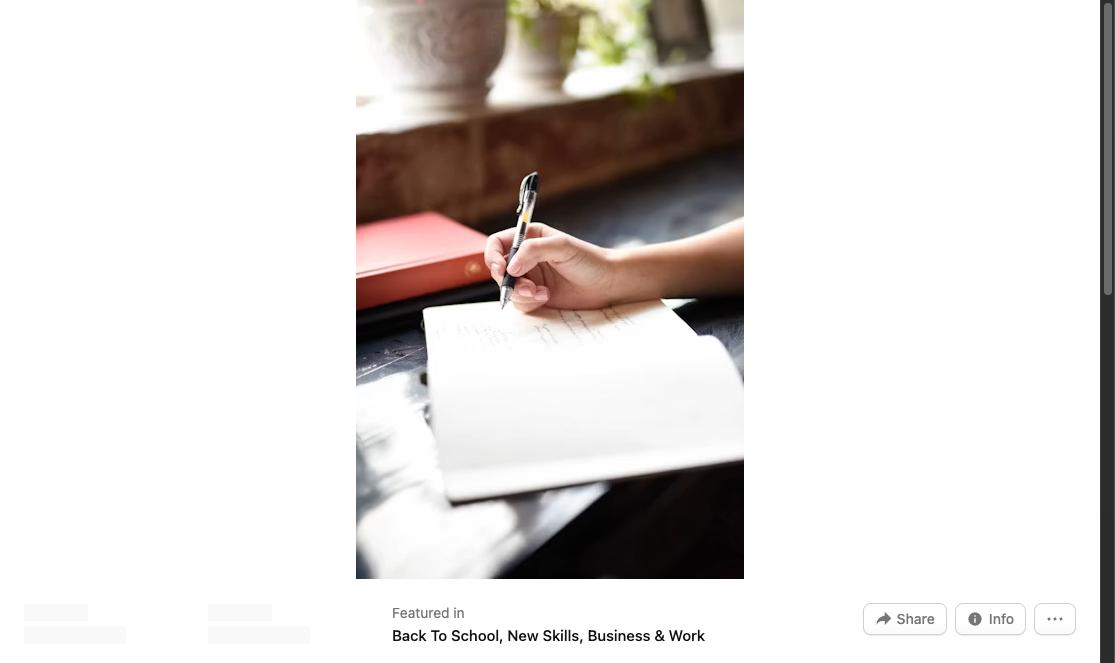
The closing paragraph of a cover letter is the last thing the hiring manager reads. A weak close ends on a passive note that invites no action. A strong close expresses genuine interest and invites a next step.
Skip the passive close
Ending with “I hope to hear from you soon” or “Thank you for your time and consideration” is so generic that it registers as silence. It does not invite action.
Express clear interest and ask for the next step
A direct close works better: “I would welcome the opportunity to discuss how my experience in X applies to what you are building at [Company]. I look forward to hearing from you.” This is warm, specific, and forward-looking. For more on this, see our guide on cover letter vs. no cover letter.
Reference the specific role one more time
Your closing paragraph should confirm that this application is for this role specifically, not a form letter. A brief reference to what excites you about the work reinforces your genuine interest.
Keep it brief
Your closing paragraph should be two to three sentences maximum. Long closings feel like the writer did not know when to stop. Short and clear is always more effective.
Read next
- How to Write an Internship Cover Letter That Stands Out
- How to Write a Career Change Cover Letter That Works
- Cover Letter for a Recent Graduate: A Step-by-Step Guide
Frequently Asked Questions
Should I always include a cover letter?
Include one when requested, when writing ability is core to the role, or when you need to explain context your resume cannot. For high-volume technical roles, it is often not read.
How long should a cover letter be?
Three to four short paragraphs, 200-300 words maximum. If you are writing more, you are probably repeating your resume.
What should the first sentence of a cover letter say?
Start with something specific. “I have spent four years doing exactly what this role requires” beats “I am excited to apply for this position.”
What should I leave out of a cover letter?
Do not restate your resume, explain why you need the job, apologize for gaps, or use clichés. Every sentence should add information not already in the resume.
Most cover letters fail because they summarize the resume rather than add to it. A recruiter reading your cover letter already has your resume in hand. They do not need you to recap it. What they want to know is why this role, at this company, is one you are genuinely excited about, and what specific experience makes you a stronger candidate than the other 150 applicants who also ticked all the required boxes. For more on this, see our guide on write a cover letter that actually gets read.
The best cover letters I have seen treat the format like a brief business proposal. They open with a specific observation about the company or role, connect that observation to a relevant achievement, and close with a clear next step. This structure respects the hiring manager’s time while demonstrating that you have done real research rather than sending a mass application.
Length matters here, too. A cover letter should be between three and four paragraphs. Any shorter and it feels dismissive of the opportunity. Any longer and you are asking a busy hiring manager to read a document they typically spend less than thirty seconds on. Every sentence should either demonstrate fit, show enthusiasm, or move the reader closer to wanting to meet you.
One technique that consistently works is the mirroring approach. Take three words or phrases directly from the job description that describe the ideal candidate, then reflect them back using examples from your own experience. This shows attentiveness to what the employer actually wants while demonstrating that you meet those criteria without copying their language verbatim. For more on this, see our guide on end a cover letter.
Get your free resume review
At AskTheRecruiter.com, a real recruiter reviews your resume and gives you honest, specific feedback. No AI, no templates, just a straight read from someone who knows what hiring managers want to see.
Anonymous and approximate. We store one number for this article and nothing about you.
Email digest
We also run a layoff tracker, built from company filings and official notices. A plain email summary of what changed on these trackers: headline numbers, the largest new entries, and links to the sources. You confirm your address by clicking a link we email you, and one click unsubscribes. Already subscribed? Use this form to change what you get. The boxes replace what you had.
Our mail provider records whether you open an email and which links you follow, including the confirmation email, which is measured before you have agreed to anything. Unsubscribing stops the sending and the recording together.
You can read every past edition first. Each one is kept permanently, exactly as it was sent.
Privacy note: what we store and how to erase it
What we store: your email address, the choices above, and timestamps (signed up, confirmed, last sent). Nothing else about you.
What our mail provider records: whether you opened an email and which links you followed, tied to your address. That is Brevo, the service that delivers these emails, and it works by adding a small invisible image and by routing links through its own address. We read it to see which sections people use. Unsubscribing stops the sending and the measuring at the same time, and erasing your row removes it from our side.
The confirmation email is measured too: the same invisible image is in the one message that asks your permission. If you open it, Brevo records that against your address before you have agreed to anything, and it records it even if you then never confirm. We would exempt that message if we could. Brevo offers no way to switch its measuring off for a single email, and the one setting that exists covers every email we send or none of them. If you would rather not be measured at all, do not open it. Nothing else is ever sent to an unconfirmed address, and the signup is deleted from our side after 30 days.
About the links: links in the digest pass through a counter on this site that adds 1 to a total for that link and sends you straight on. It records no identifier, no IP address and no browser details, so it counts how many times a link was followed and can never say who followed it.
What it is used for: sending you exactly the emails you ticked, nothing else. The address is never shared, sold, or used for any other purpose.
How to erase it: click the unsubscribe link in any email. That stops all sending immediately, and unsubscribed addresses, along with signups that were never confirmed, are hard-deleted automatically after 30 days. You can also ask via the contact page.