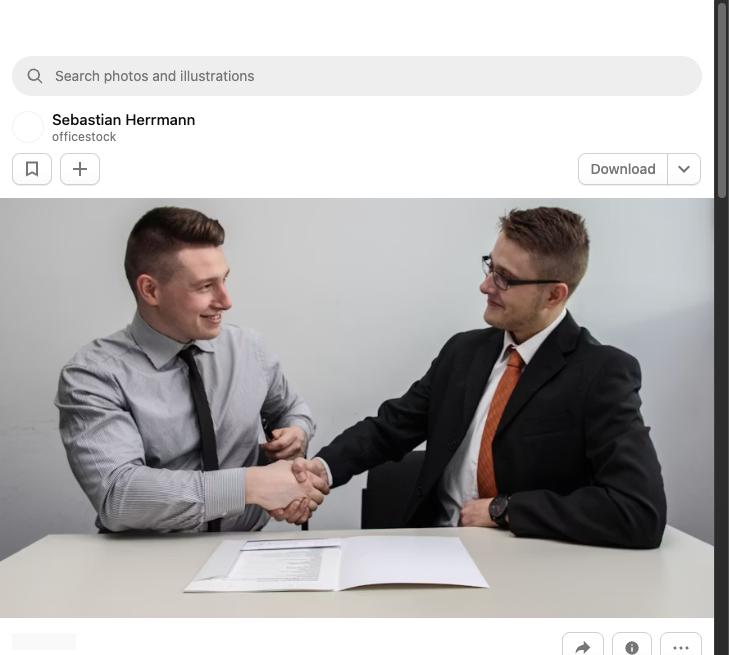
Most candidates experience the interview process as something that happens to them. But there is more agency in the process than people realize. From how you schedule interviews to how you handle multiple timelines, small decisions in the interview process can significantly affect your outcomes.
Choose Your Interview Slot Strategically
When given options for interview times, earlier in the week and earlier in the day tends to work better. Interviewers have fresher energy and their evaluation is less influenced by the fatigue of a full week. Mid-morning on a Tuesday or Wednesday is often the sweet spot. Avoid Mondays, Friday afternoons, and the last slot before lunch.
Control the Pace When You Have Multiple Companies
If you are interviewing with multiple companies simultaneously, it is completely legitimate to try to align their timelines. You can ask one company to accelerate (“I have a competing process that is moving quickly”) and ask another to give you a bit more time (“I have a few things I need to wrap up before I can give you a complete decision”). Recruiters deal with this constantly. For more on this, see our guide on negotiate salary during the interview process.
Use Each Interview to Gather Intelligence
Every conversation in the process is a chance to learn something. Ask each interviewer what they love about the company, what the biggest challenges are, and what they look for in a successful hire. Patterns across multiple interviewers give you a much clearer picture than any single answer.
Ask About the Process at Every Stage
At the end of each interview, ask: “What are the next steps and what is your typical timeline?” This gives you a clear picture, sets your expectations, and gives you a natural reason to follow up. You should never be left wondering what comes next.
Treat the Scheduling Coordinator Well
The person scheduling your interviews often has the ear of the hiring team. Being warm, responsive, and low-maintenance with the coordinator creates a small but real positive signal. Candidates who are difficult to schedule or rude to coordinators are sometimes noted. For more on this, see our guide on virtual interview tips.
Read next
- How to Follow Up After an Interview the Right Way
- How to Answer Tell Me About Yourself in an Interview
- How to Answer What Is Your Greatest Weakness in an Interview
Frequently Asked Questions
When should I negotiate salary?
After you have a written offer, not before. The strongest position is when they want you but have not yet finalized terms.
How much should I counter offer?
Counter 10-20% above the initial offer if market data supports it. Be specific: “I was hoping for $92,000” is stronger than a vague range.
What if the salary is non-negotiable?
Ask about other elements: signing bonus, extra vacation, remote flexibility, earlier review date. These are often flexible even when base salary is not.
Can negotiating hurt my chances?
Very rarely. Companies expect negotiation and budget for it. What damages relationships is being aggressive, making ultimatums, or renegotiating after agreeing.
Preparation is the one variable in an interview that you can control completely. The questions a recruiter asks are largely predictable because interviews are structured around a short list of competencies: communication, problem-solving, collaboration, leadership, and adaptability. When you map your experience to those competencies before you walk in the door, you stop improvising answers and start delivering evidence.
After debriefing hundreds of interviews over my career, the single biggest differentiator between candidates who get offers and candidates who do not is specificity. Vague answers about being a “team player” or a “fast learner” signal that you have not reflected on your own experience. Specific answers with real numbers, real timelines, and real outcomes signal that you know exactly what you have accomplished and can do it again.
Research is the second pillar of interview preparation. Most candidates look up the company’s homepage and stop there. Strong candidates go deeper: they read recent earnings calls if the company is public, review Glassdoor comments from employees in similar roles, and follow the company’s LinkedIn for news from the past three months. Specific, well-researched questions at the end of the interview signal genuine interest and leave a lasting impression. For more on this, see our guide on negotiate during the interview before getting an offer.
Get your free resume review from a real recruiter
At AskTheRecruiter.com, every resume review is done by a human recruiter with years of hiring experience. You’ll get honest, specific feedback you can act on right away. No automated scoring, no generic tips.
Anonymous and approximate. We store one number for this article and nothing about you.
Email digest
We also run a layoff tracker, built from company filings and official notices. A plain email summary of what changed on these trackers: headline numbers, the largest new entries, and links to the sources. You confirm your address by clicking a link we email you, and one click unsubscribes. Already subscribed? Use this form to change what you get. The boxes replace what you had.
Our mail provider records whether you open an email and which links you follow, including the confirmation email, which is measured before you have agreed to anything. Unsubscribing stops the sending and the recording together.
You can read every past edition first. Each one is kept permanently, exactly as it was sent.
Privacy note: what we store and how to erase it
What we store: your email address, the choices above, and timestamps (signed up, confirmed, last sent). Nothing else about you.
What our mail provider records: whether you opened an email and which links you followed, tied to your address. That is Brevo, the service that delivers these emails, and it works by adding a small invisible image and by routing links through its own address. We read it to see which sections people use. Unsubscribing stops the sending and the measuring at the same time, and erasing your row removes it from our side.
The confirmation email is measured too: the same invisible image is in the one message that asks your permission. If you open it, Brevo records that against your address before you have agreed to anything, and it records it even if you then never confirm. We would exempt that message if we could. Brevo offers no way to switch its measuring off for a single email, and the one setting that exists covers every email we send or none of them. If you would rather not be measured at all, do not open it. Nothing else is ever sent to an unconfirmed address, and the signup is deleted from our side after 30 days.
About the links: links in the digest pass through a counter on this site that adds 1 to a total for that link and sends you straight on. It records no identifier, no IP address and no browser details, so it counts how many times a link was followed and can never say who followed it.
What it is used for: sending you exactly the emails you ticked, nothing else. The address is never shared, sold, or used for any other purpose.
How to erase it: click the unsubscribe link in any email. That stops all sending immediately, and unsubscribed addresses, along with signups that were never confirmed, are hard-deleted automatically after 30 days. You can also ask via the contact page.