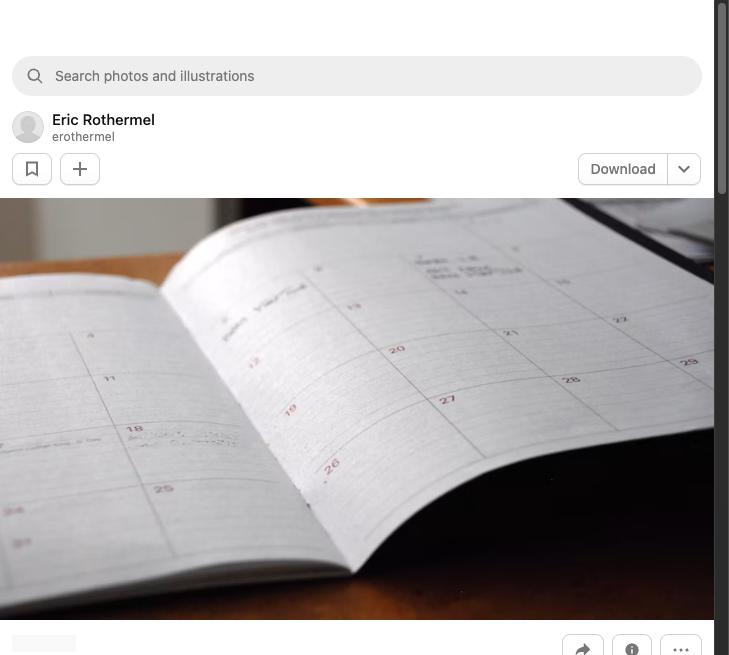
What to do after losing your job: a 30-day job search plan gives structure to a period that can otherwise feel overwhelming and directionless. Breaking the process into a clear, week-by-week plan helps you move forward productively while managing the emotional weight of a job loss.
What to Do After Losing Your Job: A 30-Day Job Search Plan, Week One
Spend the first few days processing the news and handling practical matters: filing for unemployment benefits if eligible, reviewing your severance and health insurance options, and giving yourself brief, deliberate time to reset before diving into an active search. By the end of week one, update your resume and LinkedIn profile with your most recent role included.
Week Two: Build Your Target List and Reactivate Your Network
Identify 15 to 20 target companies or roles based on your skills and priorities. Reach out individually to five to ten former colleagues or contacts, letting them know you are searching and being specific about the kind of role you want, rather than a vague general request for help.
Week Three: Ramp Up Applications and Interviews
Begin actively applying to tailored postings, aiming for quality over sheer volume, while continuing to expand your network conversations. If early interviews are scheduled, dedicate focused time to researching each specific company and practicing your key stories out loud.
Week Four: Refine Based on Early Feedback
By the fourth week, you likely have some initial data: which types of roles are generating interest, which application materials seem to be working, and where you are getting stuck. Use this feedback to refine your resume, your target list, or your interview preparation before continuing into the following month.
Maintain Structure and Routine Throughout
Treat your search like a job itself, with consistent daily hours, clear weekly goals, and dedicated time for both applications and networking. This structure helps maintain momentum and mental health during what can otherwise become an unstructured, discouraging period.
Build in Deliberate Breaks
A 30-day plan should include intentional rest, not just constant search activity. Burnout during a job search often slows progress more than it helps, so schedule real breaks alongside your search activities.
Our guides on recovering after a layoff and explaining being laid off in an interview cover related strategies for this stage of your search.
A Practical Daily Structure for the First 30 Days
Job searching without any structure often leads to either burnout from working around the clock or drift from having no schedule at all. A workable daily structure includes a defined start and end time, a mix of application work in the morning when focus is highest, and networking or research activity in the afternoon. Treating the search like a job itself, with consistent hours, tends to produce both better results and better mental health than an unstructured, all-consuming approach.
What to Prioritize First Financially
Within the first few days, file for unemployment benefits if you are eligible, since processing times can take several weeks and delaying the filing only delays your first payment. Review your health insurance options, including COBRA continuation coverage and marketplace plans, since this decision typically has a limited enrollment window after a job loss. Taking care of these administrative steps early frees up mental bandwidth to focus on the job search itself during the following weeks.
Signs You Should Adjust Your 30-Day Plan
If you reach day 30 with very few interviews despite consistent effort, that is a signal to revisit your resume, target roles, or search strategy rather than simply applying more of the same. Common adjustments at this point include broadening your target roles slightly, seeking direct feedback from your network on your resume and pitch, or focusing more heavily on referrals rather than cold applications. A 30-day plan is meant to create momentum and structure, not a rigid timeline that guarantees a specific outcome by a specific date.
Following a structured plan for what to do after losing your job does not eliminate the stress of the situation, but it does replace uncertainty with a concrete set of actions, which many people find genuinely helps them regain a sense of control during a difficult period.
Reach out to at least one person in your network within the first week, even just to let them know you are searching. Many opportunities come from people who would have gladly helped had they known sooner, and waiting too long to ask for help is one of the most common regrets people report after a job loss.
Knowing what to do after losing your job in the first 30 days sets the tone for the rest of your search, and candidates who move through this period with structure and clear priorities tend to reach their next role faster than those who spend the early weeks feeling paralyzed by uncertainty.
The Bottom Line
What to do after losing your job: a 30-day job search plan works best when it combines practical structure, active networking, and genuine rest, treating the search itself as a disciplined, manageable process rather than an open-ended source of anxiety.
Track Your Progress Along the Way
Keep a simple log of applications, networking conversations, and interviews scheduled each week. Reviewing this log at the end of the month gives you concrete evidence of your effort and progress, which can be genuinely reassuring during a period that often feels uncertain.
If you are filing for unemployment benefits, your state’s labor department website has specific eligibility rules and deadlines, and the U.S. Department of Labor provides a helpful overview of how unemployment insurance works across states.
Anonymous and approximate. We store one number for this article and nothing about you.
Email digest
We also run a layoff tracker, built from company filings and official notices. A plain email summary of what changed on these trackers: headline numbers, the largest new entries, and links to the sources. You confirm your address by clicking a link we email you, and one click unsubscribes. Already subscribed? Use this form to change what you get. The boxes replace what you had.
Our mail provider records whether you open an email and which links you follow, including the confirmation email, which is measured before you have agreed to anything. Unsubscribing stops the sending and the recording together.
You can read every past edition first. Each one is kept permanently, exactly as it was sent.
Privacy note: what we store and how to erase it
What we store: your email address, the choices above, and timestamps (signed up, confirmed, last sent). Nothing else about you.
What our mail provider records: whether you opened an email and which links you followed, tied to your address. That is Brevo, the service that delivers these emails, and it works by adding a small invisible image and by routing links through its own address. We read it to see which sections people use. Unsubscribing stops the sending and the measuring at the same time, and erasing your row removes it from our side.
The confirmation email is measured too: the same invisible image is in the one message that asks your permission. If you open it, Brevo records that against your address before you have agreed to anything, and it records it even if you then never confirm. We would exempt that message if we could. Brevo offers no way to switch its measuring off for a single email, and the one setting that exists covers every email we send or none of them. If you would rather not be measured at all, do not open it. Nothing else is ever sent to an unconfirmed address, and the signup is deleted from our side after 30 days.
About the links: links in the digest pass through a counter on this site that adds 1 to a total for that link and sends you straight on. It records no identifier, no IP address and no browser details, so it counts how many times a link was followed and can never say who followed it.
What it is used for: sending you exactly the emails you ticked, nothing else. The address is never shared, sold, or used for any other purpose.
How to erase it: click the unsubscribe link in any email. That stops all sending immediately, and unsubscribed addresses, along with signups that were never confirmed, are hard-deleted automatically after 30 days. You can also ask via the contact page.