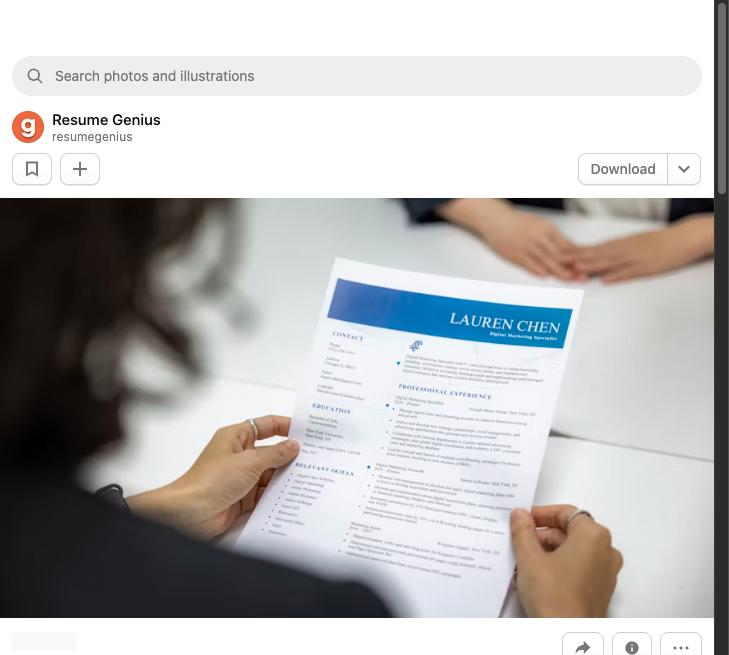
Understanding why your experience might be hurting your job search feels counterintuitive, since experience is generally an asset, but specific ways of presenting extensive experience can inadvertently work against a candidate, particularly in a competitive market.
Why Your Experience Might Be Hurting Your Job Search: Overqualification Concerns
Employers sometimes hesitate to hire candidates who appear significantly overqualified, worrying they will leave quickly once a better opportunity appears, or that they will be difficult to manage or retain at the role’s actual compensation level. This concern is rarely stated directly, but it quietly influences many hiring decisions.
A Resume That Reads as Unfocused
Extensive experience across many different roles and industries can sometimes read as unfocused rather than versatile, if your resume does not clearly tell a coherent story about your specific expertise and current direction.
Compensation Expectations That Seem Mismatched
If your experience level suggests a compensation range well above what a specific role offers, employers may assume a mismatch and move on without ever having a direct conversation about your actual flexibility or interest in the role.
Appearing Resistant to New Approaches
Extensive experience can sometimes create an unfounded assumption that a candidate will be rigid or resistant to new tools, processes, or leadership styles, even when this is not remotely true for the individual candidate.
How to Address Overqualification Directly
If you suspect this is a barrier, address it directly and briefly in your cover letter or early in an interview: explain genuinely why this specific role interests you at this point in your career, whether for a lifestyle change, a specific team, or a mission you care about.
Sharpen Your Resume’s Narrative
Rather than listing every accomplishment across your entire career, focus your resume clearly around the specific expertise most relevant to your target roles, cutting anything that muddies a clear, coherent professional story.
Be Transparent About Compensation Flexibility
If you are genuinely willing to consider a role at a different compensation level than your previous position, say so clearly and early, rather than letting an unspoken assumption remove you from consideration.
Our guides on getting hired after 50 and how experienced professionals compete against younger candidates cover related strategies for addressing these dynamics.
A Self-Diagnostic for Overqualification Concerns
Review your last several rejections or lack of responses and check for a pattern: are you consistently applying to roles a level or two below your most recent title, without adjusting how you present your experience for that specific level? If so, employers may be silently assuming you will leave as soon as something better appears, even if that is not your actual intention. Recognizing this pattern is the first step toward addressing it directly rather than continuing to apply the same way and getting the same result.
How to Reframe Your Narrative Convincingly
Rather than simply stating you want a less demanding role, connect the change to something specific and credible: a desire to focus on hands-on work rather than management, a deliberate move toward better work-life balance after years of high-intensity roles, or a genuine interest in a particular mission or industry that matters more to you than title progression. Specific, credible reasons read as intentional decisions, while vague statements like “I just want something different” can actually reinforce the concern that you are unsure of what you want or simply taking whatever is available.
When Overqualification Concerns Are Actually a Fit Signal
In some cases, an employer’s hesitation about overqualification reflects a legitimate fit concern rather than pure bias: if a role genuinely would not use most of your skills or would bore you within months, that mismatch is worth taking seriously yourself, not just addressing as an objection to overcome. Being honest with yourself about whether a role is a genuine fit, not just a way to reenter the workforce quickly, tends to produce better long-term outcomes for both you and the employer.
Recognizing that your experience might be hurting your job search in specific, identifiable ways, rather than assuming bias is entirely to blame, puts you in a much stronger position to actually fix the pattern. Small, targeted adjustments to your resume framing and interview answers often make a bigger difference than candidates expect.
If you suspect your experience might be hurting your search at a specific company or industry, seek out an informational conversation with someone there before applying. This can reveal whether your instinct is accurate and help you tailor your application to address any real or perceived mismatch before it becomes a silent reason for rejection.
Ultimately, addressing why your experience might be hurting your job search comes down to controlling the narrative directly rather than leaving employers to fill in gaps with their own assumptions. A clear, confident explanation for your target roles consistently outperforms silence on the topic, even when the underlying facts about your background remain the same.
The Bottom Line
Why your experience might be hurting your job search usually comes down to unaddressed overqualification concerns, an unfocused resume narrative, or unstated compensation assumptions, all of which are addressable through direct, honest communication rather than downplaying your genuine strengths.
Consider the Roles You Are Targeting
If you consistently sense this dynamic across multiple applications, it may be worth reconsidering whether you are targeting roles slightly too junior for your actual experience level, and instead pursuing positions where your full background is a genuine requirement rather than an excess.
Research from the Society for Human Resource Management on hiring manager concerns confirms that overqualification worries are common but often based on unstated assumptions rather than direct conversation, which is exactly why addressing the topic openly tends to be more effective than hoping it goes unnoticed.
Anonymous and approximate. We store one number for this article and nothing about you.
Email digest
We also run a layoff tracker, built from company filings and official notices. A plain email summary of what changed on these trackers: headline numbers, the largest new entries, and links to the sources. You confirm your address by clicking a link we email you, and one click unsubscribes. Already subscribed? Use this form to change what you get. The boxes replace what you had.
Our mail provider records whether you open an email and which links you follow, including the confirmation email, which is measured before you have agreed to anything. Unsubscribing stops the sending and the recording together.
You can read every past edition first. Each one is kept permanently, exactly as it was sent.
Privacy note: what we store and how to erase it
What we store: your email address, the choices above, and timestamps (signed up, confirmed, last sent). Nothing else about you.
What our mail provider records: whether you opened an email and which links you followed, tied to your address. That is Brevo, the service that delivers these emails, and it works by adding a small invisible image and by routing links through its own address. We read it to see which sections people use. Unsubscribing stops the sending and the measuring at the same time, and erasing your row removes it from our side.
The confirmation email is measured too: the same invisible image is in the one message that asks your permission. If you open it, Brevo records that against your address before you have agreed to anything, and it records it even if you then never confirm. We would exempt that message if we could. Brevo offers no way to switch its measuring off for a single email, and the one setting that exists covers every email we send or none of them. If you would rather not be measured at all, do not open it. Nothing else is ever sent to an unconfirmed address, and the signup is deleted from our side after 30 days.
About the links: links in the digest pass through a counter on this site that adds 1 to a total for that link and sends you straight on. It records no identifier, no IP address and no browser details, so it counts how many times a link was followed and can never say who followed it.
What it is used for: sending you exactly the emails you ticked, nothing else. The address is never shared, sold, or used for any other purpose.
How to erase it: click the unsubscribe link in any email. That stops all sending immediately, and unsubscribed addresses, along with signups that were never confirmed, are hard-deleted automatically after 30 days. You can also ask via the contact page.